
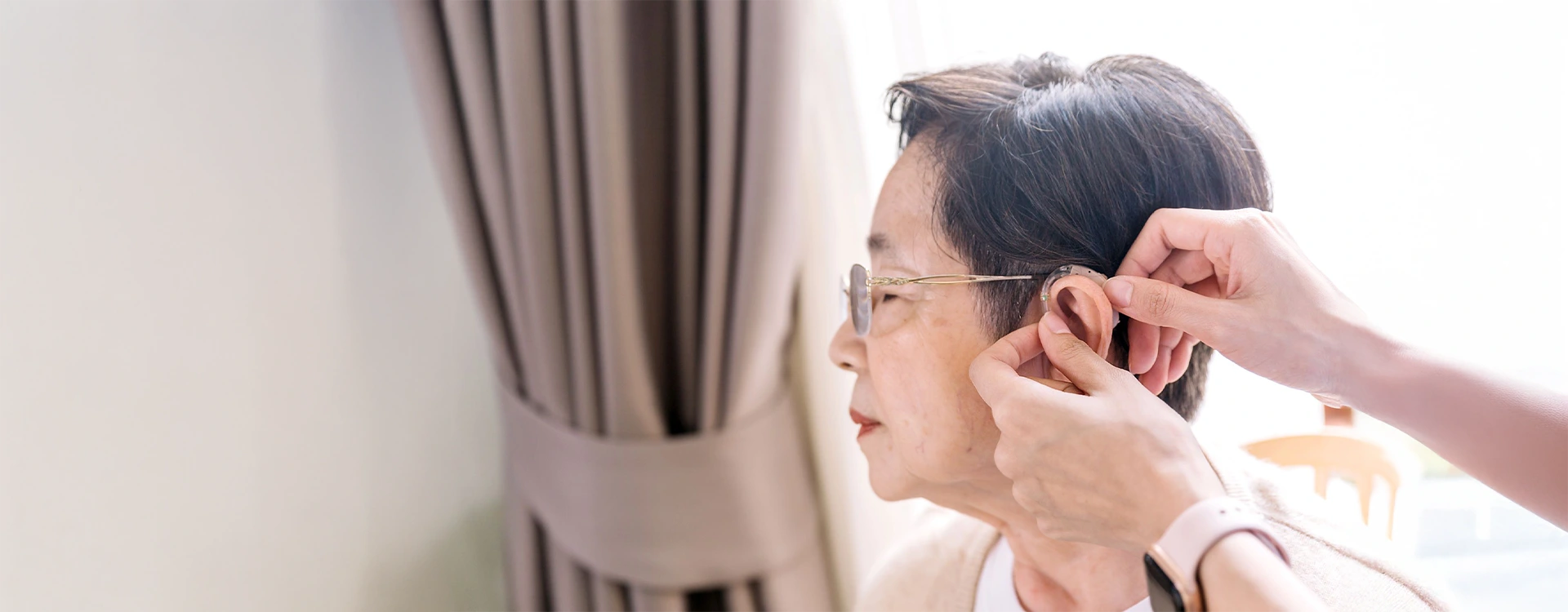

The Hidden Link Between Diabetes, Heart Health and Your Hearing
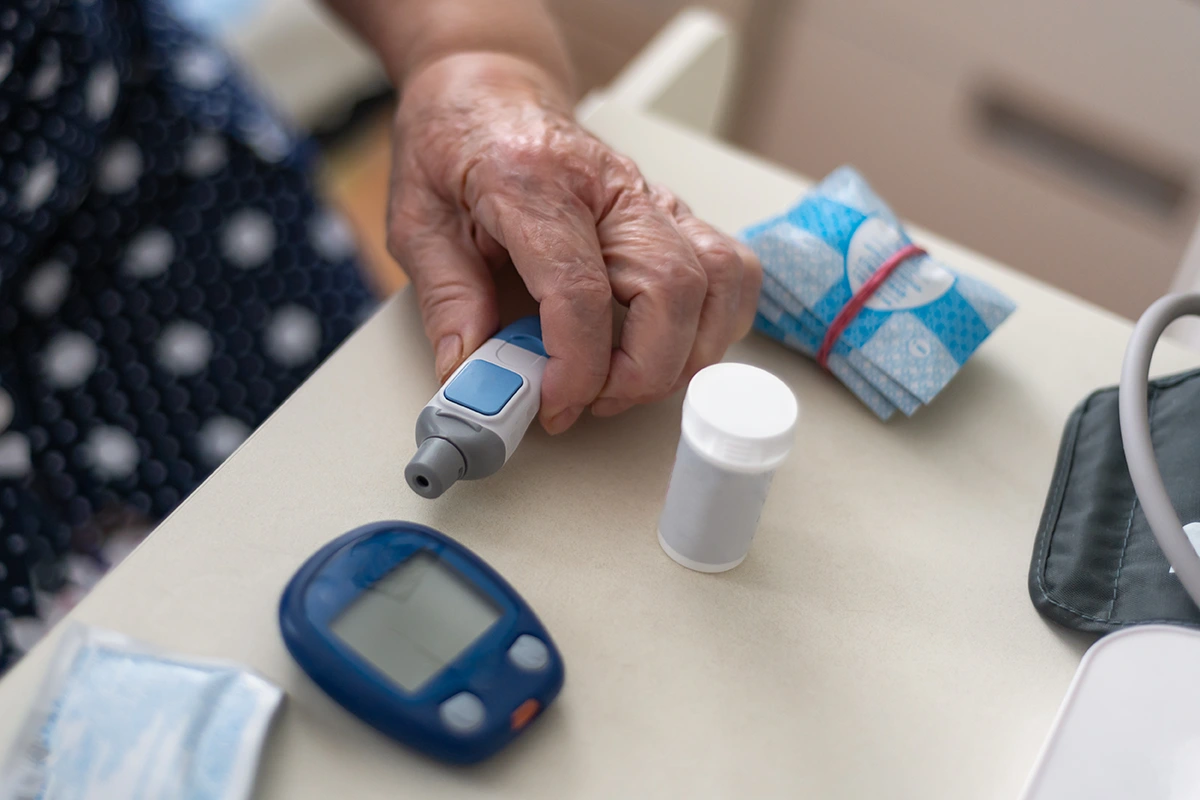
Diabetes and heart disease are among the most common chronic conditions in Singapore. Both are well understood in terms of their effects on the eyes, kidneys and cardiovascular system. Their connection to hearing, however, is rarely discussed, even though the inner ear is directly affected by the same circulatory and metabolic changes that drive those better-known complications.
Hearing Health Doesn't Exist in Isolation
The inner ear is one of the most metabolically demanding structures in the body. It relies on a steady supply of oxygen-rich blood and stable glucose levels to function. When either of these is disrupted over time, the delicate hair cells and blood vessels of the cochlea can be affected, sometimes years before a person notices any change in how they hear.
For Singapore's aging population, where rates of diabetes and cardiovascular disease are significant, this connection is worth understanding early.
The Link Between Diabetes and Hearing Loss
Research consistently shows that adults with diabetes are more likely to experience hearing loss than those without the condition. A 2008 NIH-funded study published in the Annals of Internal Medicine, which analyzed hearing data from more than 5,000 adults, found that people with diabetes were more than twice as likely to have hearing loss compared to those without, after accounting for age, noise exposure and other factors.
The mechanism is similar to how diabetes damages the eyes and kidneys. High blood glucose over time can impair the small blood vessels and nerves that supply the inner ear, reducing its ability to detect and process sound accurately. Because the changes develop gradually, they can go unnoticed for years, with the early stages of hearing loss often attributed to tiredness, distraction or simply getting older.
The link applies to both type 1 and type 2 diabetes. There is also emerging evidence that people with prediabetes may be at elevated risk, which makes early awareness particularly relevant for those managing blood sugar at the margins.
As for whether hearing loss from diabetes is reversible: in most cases, the damage to the inner ear's hair cells and blood vessels is permanent. This is one reason why early detection matters. Protecting what hearing remains, and fitting hearing aids when appropriate, is more effective than waiting until the loss becomes difficult to ignore.
How Heart Health Affects Your Hearing
The inner ear is supplied by a single artery with no backup circulation. This makes it unusually vulnerable to changes in blood flow. Poor cardiovascular health, high blood pressure and elevated cholesterol can all reduce the quality and volume of blood reaching the cochlea over time, affecting its ability to function.
The cochlea's apical region, which processes low-pitched sounds, is particularly sensitive to reduced vascular supply, which is why changes in low-frequency hearing are sometimes among the earlier signs that vascular health may be affecting the auditory system.
The relationship also works in the other direction. Research suggests that people who actively manage their cardiovascular health, through diet, physical activity and treatment of hypertension or hypercholesterolaemia, tend to preserve their hearing better over time. Hearing health and heart health are not separate concerns.
Signs to Watch For and What You Can Do
For people managing diabetes, a cardiovascular condition, or both, certain changes in hearing are worth paying attention to. The signs are often gradual enough to feel unremarkable at first, which is why they tend to go unaddressed for longer than they should.
Common indicators include:
- Difficulty following conversation in background noise: Restaurants, family gatherings and other busy environments become noticeably harder to manage.
- Frequent requests to repeat: Asking others to say things again, particularly in group settings or on the phone.
- Rising television volume: A gradual need to increase the volume above what others in the room find comfortable.
- Tinnitus: Persistent ringing, buzzing or hissing in one or both ears, even in quiet environments.
- Muffled voices or sound: Speech that is audible but difficult to make out clearly, particularly at a distance.
None of these signs confirm hearing loss on their own, but in the context of diabetes or heart disease, they are worth raising with a clinician. A free hearing check provides an objective measurement and a documented baseline for the future.
Managing blood glucose, blood pressure and cholesterol with your doctor's guidance also supports inner ear health. Physical activity, a balanced diet and avoiding smoking, which is independently associated with hearing loss, all contribute to better outcomes across these systems. Hearing care and chronic disease management are not separate concerns.
Take the First Step Towards Better Hearing Health

Hearing care is part of the broader picture of healthy aging. For people managing diabetes, heart disease or related conditions, the inner ear is one more system worth monitoring, not separately, but as part of the same health routine.
A hearing assessment is straightforward and non-invasive. It takes about an hour, requires no preparation and ends with a clear picture of where hearing currently stands. If you are booking your first hearing assessment, the audiologist will walk you through every step and explain what the results mean in practical terms.
20dB Hearing has 12 centers across Singapore, all audiologist-led and accessible near MRT stations. Every consultation is personalized to the individual, and every recommendation is backed by the Product Lifetime Aftercare Promise, covering ongoing adjustments, cleanings and follow-ups for the life of the device.
If you or someone close to you is managing diabetes or a cardiovascular condition, a hearing assessment is a straightforward way to understand the full picture. Book an appointment with 20dB Hearing to discuss what your results might mean and the options available.