

The Phonak Roger Microphone FM System: Clarity in Tough Conditions
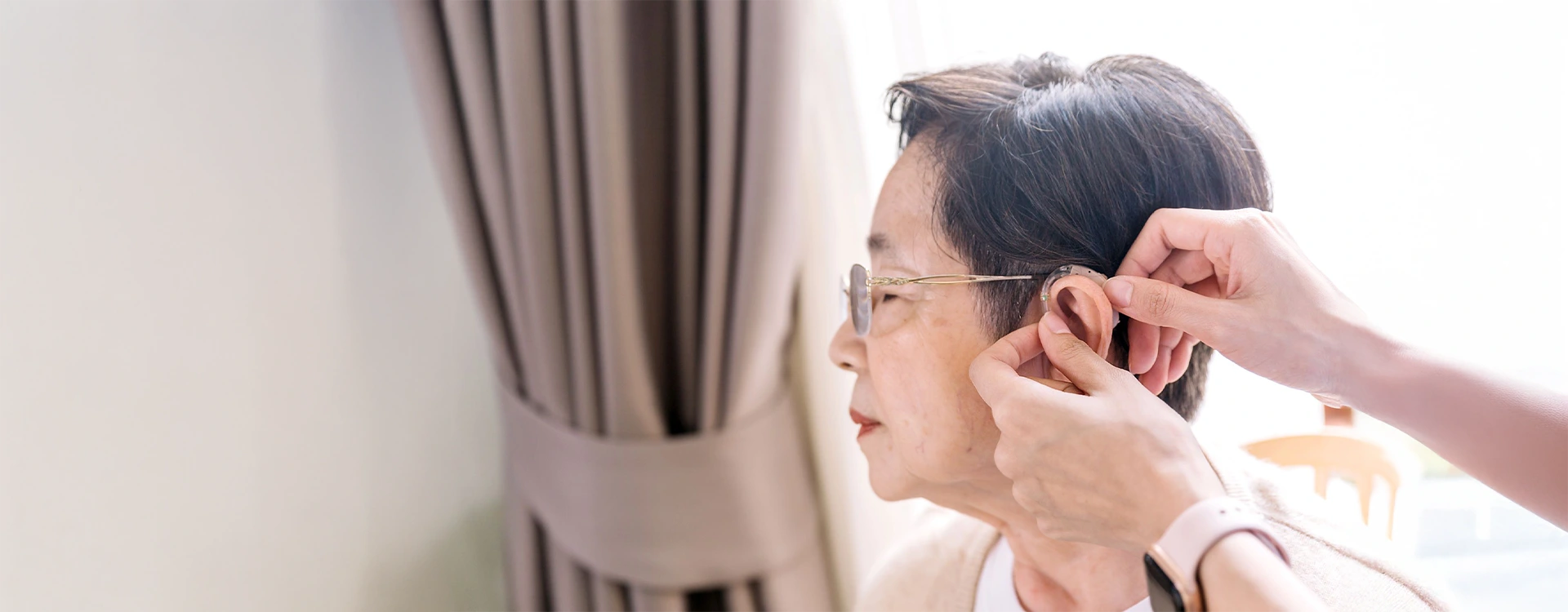
Modern hearing aids are more capable than most people expect. They can adjust automatically to adapt to different environments, reduce background noise, and even stream audio directly from phones or television.
While they perform well for everyday settings, they can still struggle to capture sound in certain situations like:
- When a person is speaking at the far end of a conference hall
- When the person is speaking too quietly in a packed restaurant
This is typically due to the degradation of the sound before it reaches the hearing aid. A solution to this is the Roger microphone system from Phonak. Let’s find out how it can help.
What Are Roger Devices?
Roger is a range of wireless microphones developed by Phonak that pair with compatible hearing aids and cochlear implants. It works by placing a microphone near the person or sound source you want to hear, which then streams audio directly to the hearing aids in real time.
The technology is built on digital wireless transmission, an evolution of the earlier Phonak Roger FM system, and is designed to maintain a clear signal even in environments with significant background noise or considerable distance between speaker and listener.
Different Roger devices are designed for different settings:
- Roger Table Mic: A tabletop device that picks up voices from multiple speakers around a table, suited for group meetings and family dinners.
- Roger On: A versatile device that detects where speech is coming from and automatically adjusts its microphone mode for use on a table, clipped to clothing, or held in the hand.
Roger devices work alongside existing hearing aid programmes rather than replacing them. They are Assistive Listening Devices (ALD) that extend the capability of a well-fitted pair in the settings where a standard microphone at the ear is not enough.
Where Roger Makes the Biggest Difference
At Work and in Meetings
Workplaces are among the more demanding listening environments for hearing aid wearers. In a boardroom where colleagues sit at the far end of a long table, or where one or two speakers tend to talk more softly than others, the signal that hearing aids need to process has already weakened by the time it arrives at the ear.
Long meetings add to this. Following multiple voices across a room over an extended period builds listening fatigue quickly, particularly when the effort of catching each word gets in the way of processing what is actually being said.
Hybrid meetings introduce a further variable, with some participants present in the room and others joining via audio or video at inconsistent volume levels. A Roger device placed at the center of the table, or with the person running the meeting, can reduce the strain significantly.
In Restaurants and Social Settings
Noisy restaurants and hawker centres present consistent challenges for people with hearing loss. Hard surfaces, high ceilings and overlapping conversations create an acoustic environment where hearing aids work hard but cannot fully separate one voice from the noise around it. The signal the wearer most needs reaches the ear already competing with everything else in the room.
For family dinners and social gatherings, a Roger table microphone placed in the center brings each speaker's voice closer, regardless of where they are seated. At weddings, celebrations and larger events where multiple conversations compete at once, Roger gives the wearer a degree of control over what they hear that a standard hearing aid microphone cannot replicate.
In Learning Environments
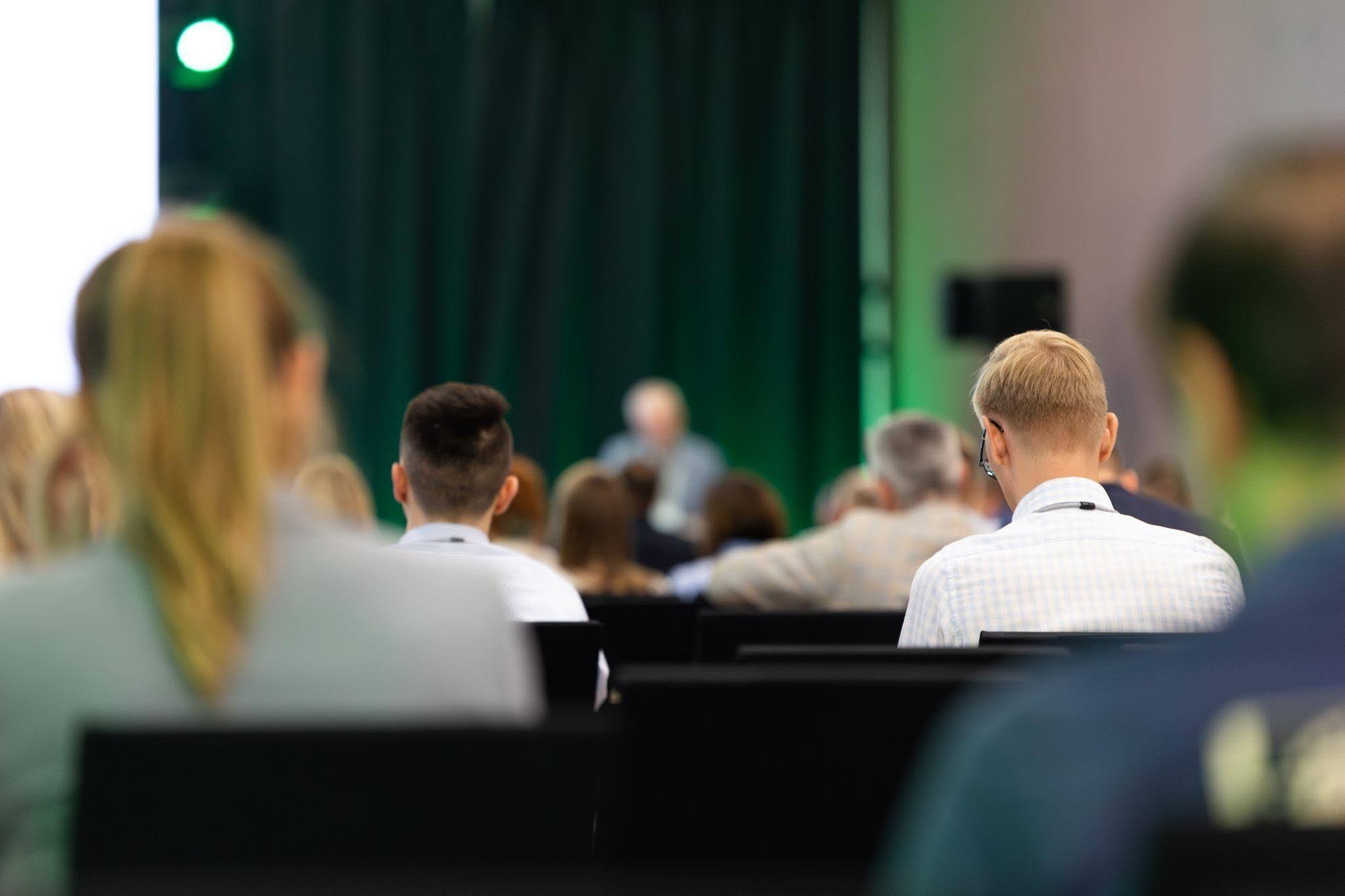
In lecture halls, seminar rooms and classrooms, the speaker is typically at the front and the listener may be several rows back. Even in a relatively quiet setting, distance reduces the strength and clarity of the signal reaching the hearing aid. In larger halls, reverberation from walls and hard floors compounds the problem further.
For adult learners in university or professional training settings, a Roger On passed to the presenter at the start of a session is a practical and unobtrusive solution. The wearer does not need to draw attention to the arrangement or disrupt the session in any way. For children with hearing loss in a school environment, Roger systems are well established as a way of following a teacher who moves around the classroom throughout the day.
Finding the Right Roger Setup for Your Life

The right Roger device depends on where you spend most of your time and which situations you find most difficult. A table microphone is a better fit for group settings and regular meetings. The Roger On works well for those who move between different environments throughout the week.
Roger works with a range of Phonak hearing aids, including the Phonak Audéo Infinio, an AI-powered rechargeable hearing aid. If your current Phonak hearing aid is Roger-compatible, your audiologist can confirm this at the same visit and ensure the system integrates smoothly with your existing programmes.
At 20dB Hearing, our audiologists have access to the full Phonak ecosystem, including the complete Roger range. With 11 centers across Singapore, many located near MRT stations, a consultation is straightforward to arrange. Every device is supported by our Product Lifetime Aftercare Promise, which covers ongoing adjustments, cleanings and follow-ups for as long as the device is in use.
If certain environments have been getting harder to follow, Roger may be worth discussing. Speak with a 20dB Hearing audiologist today to find out more.