
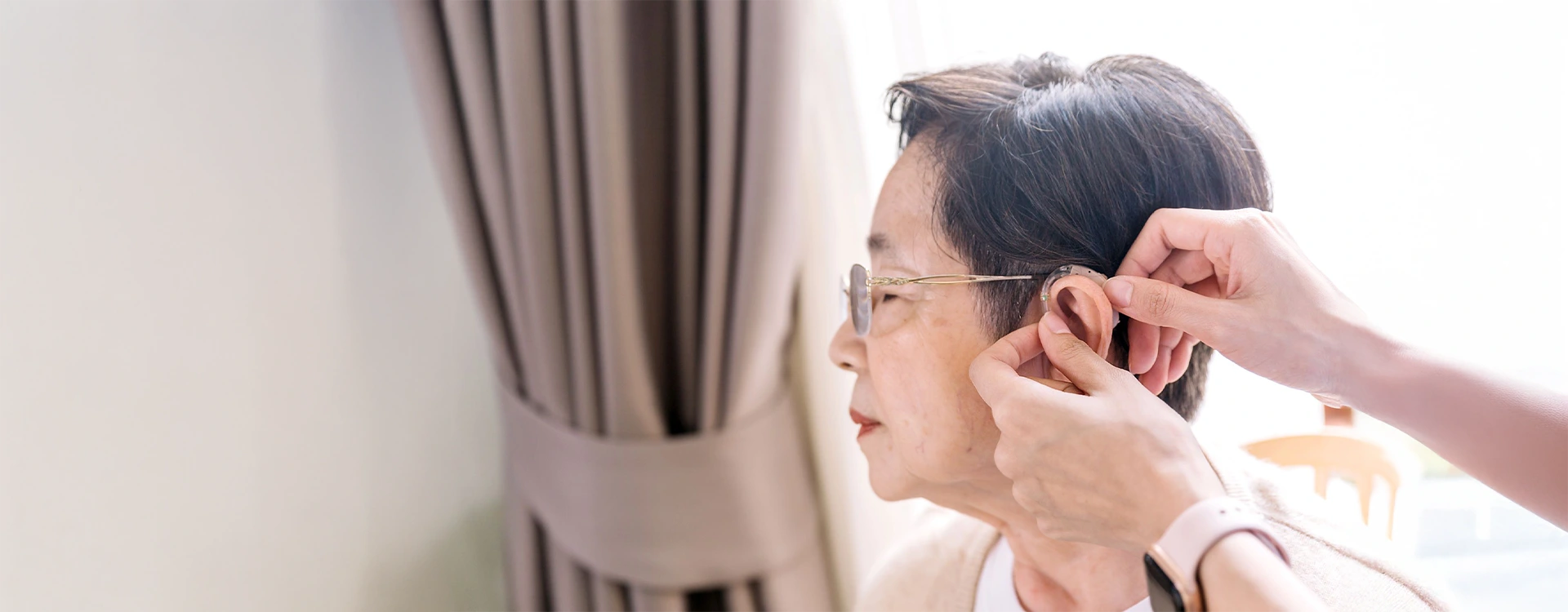

Dining Out with Hearing Loss: Practical Tips for Restaurants, Hawker Centres and Family Meals

Dining out is one of the most common social occasions in Singapore, and also one of the most acoustically demanding for someone with hearing loss.
Why Eating Out Can Feel Surprisingly Difficult
For many people, a meal with family or friends is one of the week's simpler pleasures. For someone with hearing loss or a family member trying to make the occasion easy, the same meal can involve a level of effort the rest of the table never notices.
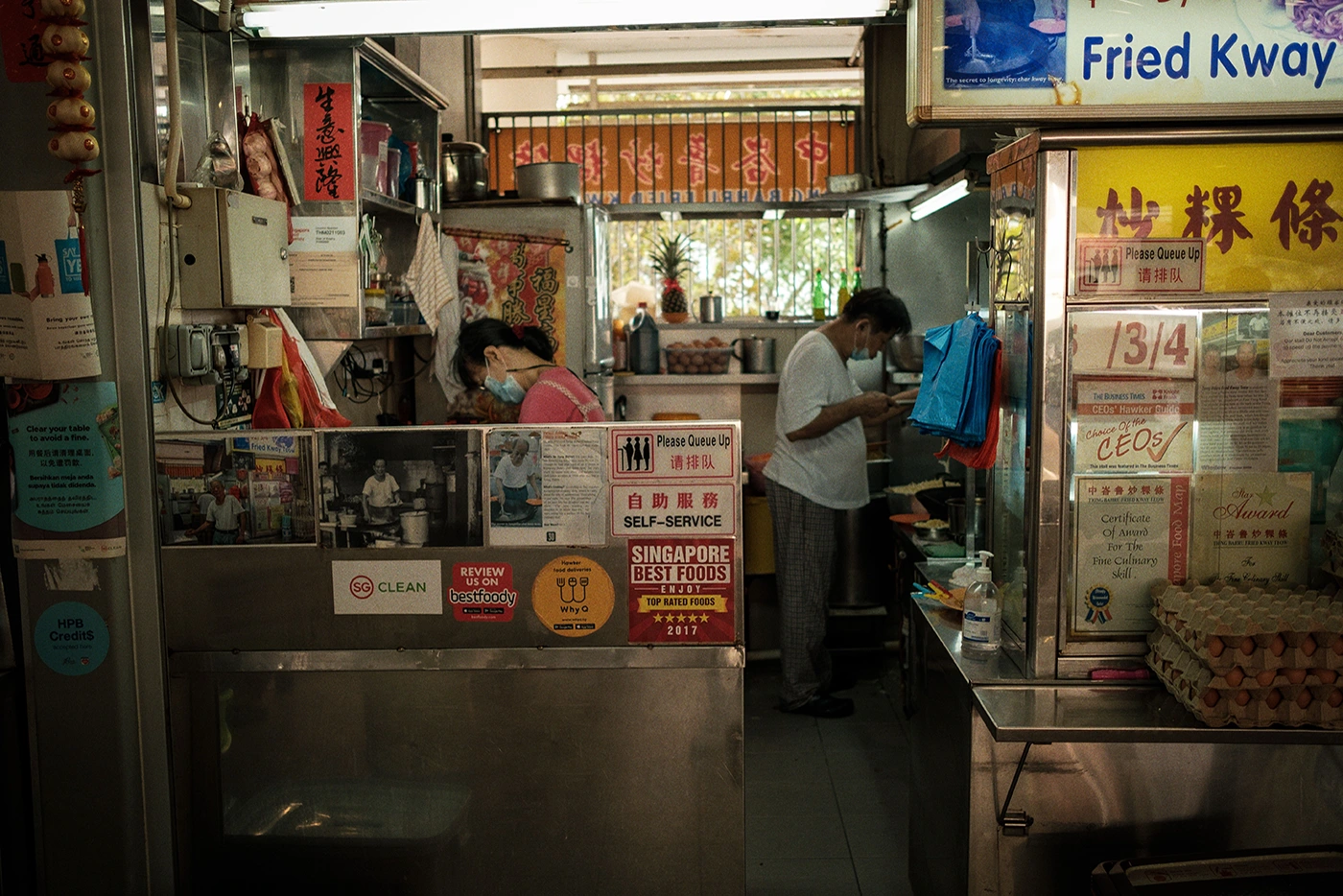
Restaurants and hawker centres are among the most demanding listening environments in Singapore. Hard floors, open layouts, background music, kitchen noise and overlapping conversations all compete for attention at once.
Trouble hearing in a crowded room is often where a change in hearing first becomes noticeable. These settings strip away the quiet cues that make speech easier to follow, and trouble hearing with background noise is the pattern that makes the social meal particularly hard to manage.
Why It Adds Up
Mild hearing loss can turn a relaxed meal into a sustained effort to keep up. The brain compensates by drawing on lip movements, facial expressions and context, but that extra work accumulates. The fatigue that follows is often put down to a long day rather than to the demands of hearing in a complex acoustic environment.
Over time, many people with hearing loss begin quietly declining invitations or skipping family gatherings. That gradual social withdrawal is one of the less visible effects of unaddressed hearing loss, and tends to go unnoticed until the pattern is well established.
Choosing the Right Venue and Table
The venue itself sets the acoustic conditions for the whole meal. Here are a few things to look for when choosing where to go:
Picking a Hearing-Friendly Restaurant
- Soft surfaces: Restaurants with carpet, fabric seating, curtains or acoustic panels absorb ambient sound and make conversation noticeably easier to follow.
- Layouts to avoid: All-marble, all-glass or open-warehouse interiors cause sound to bounce, making it harder to separate a single voice from the background.
- Timing at hawker centres: Background noise in food courts and hawker centres stays high throughout service. Arriving slightly outside peak hours, when the crowd is thinner, can make a meaningful difference.
- Familiar venues: Knowing the layout and typical noise level in advance removes one layer of uncertainty. When planning a group outing, calling ahead to ask about quieter sections is worth the extra step.
Choosing the Best Seat
- Back to the wall: Reduces competing sound from behind and makes it easier to focus on the conversation in front.
- Away from noise sources: Avoid tables near kitchen pass-throughs, bar areas, loudspeakers or main walkways.
- Facing the light: Position yourself so that the people you most want to hear are facing you, supporting lip reading and making facial expressions easier to follow.
- Round tables: Keeps everyone at a roughly equal distance and angle, which tends to be easier than long rectangular ones where voices at the far end become harder to reach.
Small Adjustments That Make a Big Difference
Small changes to how the meal is organized can reduce listening effort without requiring anyone to draw attention to the situation.
During the Meal
- Ask about the music: If background music feels loud, asking staff to lower it is reasonable. Many will do so without hesitation.
- Use visual cues: Watching lip movements and facial expressions can help to fill in missing words.
- Rest between courses: Short pauses reduce cumulative listening fatigue over a long meal.
- Rephrase, don't repeat: A different word or sentence tends to land more clearly than the same phrase delivered at greater volume.
- For dining companions: Face the person when speaking, get their attention before starting a new topic, and keep sentences short. Avoid speaking while turned away or leaning toward another part of the table.
For Hearing Aid Wearers
- Switch to the right program: Most hearing aids include a restaurant or speech-in-noise setting. Switching before sitting down gives the device time to adjust to the room's acoustics.
- Consider a wireless microphone: A Roger microphone placed near the person you most want to hear sends their voice directly to the hearing aids, which is particularly useful at large gatherings.
- Review the settings if things feel off: Hearing aid fine tuning with an audiologist can fine-tune programs to specific listening environments rather than leaving the device on factory defaults.
- Manage battery life: An extended family lunch involves sustained listening. Keep devices fully charged beforehand or carry spare batteries.
Enjoying the Table Again
If dining out has started to feel tiring or if a loved one seems to be pulling back from social occasions without a clear reason, it may be worth understanding how much hearing loss is involved before drawing conclusions on what kind of support is needed.
For those considering hearing loss treatment in Singapore, a visit to an audiometric testing centre is the practical starting point. An objective audiogram opens the conversation about next steps without any obligation to proceed on the day.
20dB Hearing has 12 centers across Singapore, many located inside shopping malls near MRT stations, with experienced audiologists who personalize every consultation to the individual. Schedule an appointment to discuss what you have been noticing and what the options look like.