
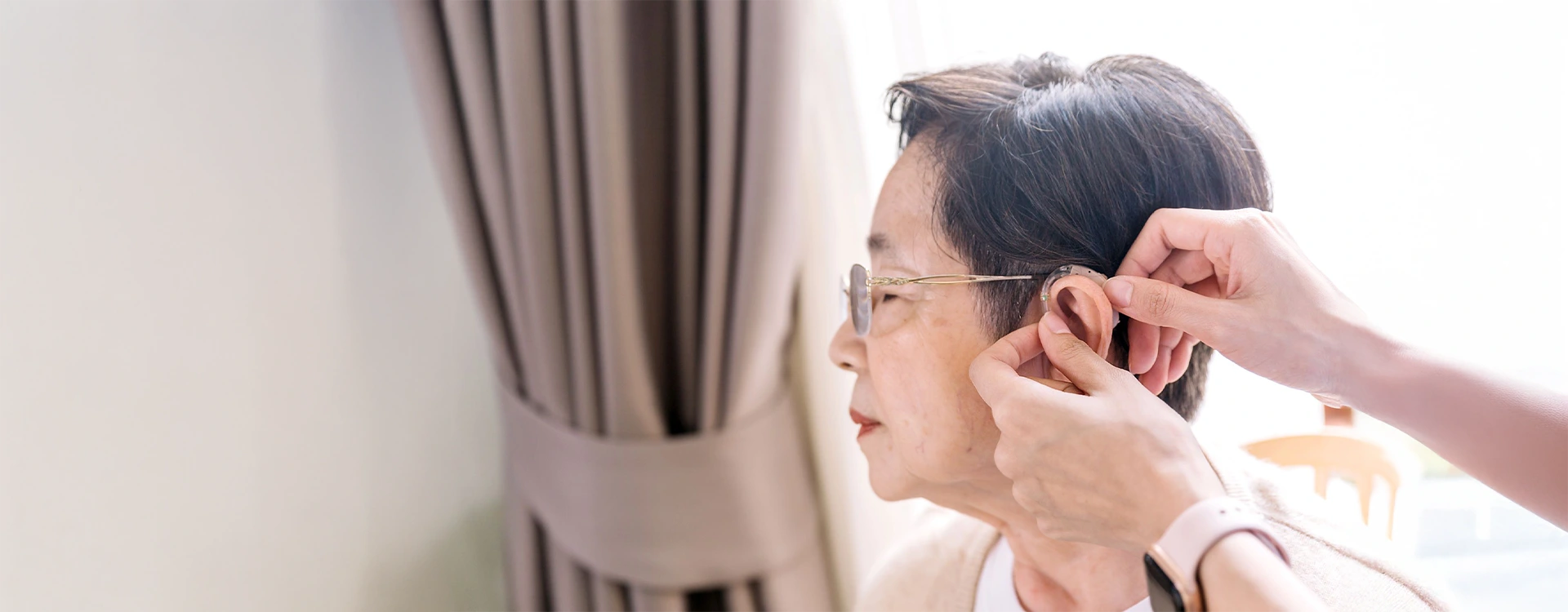

What to Expect at Your First Hearing Assessment

A first hearing assessment is usually preceded by months of small moments: the volume going up by one notch on the TV, the half-caught conversation at a family dinner, the meeting that left someone more tired than it should have. By the time the booking is made, the change has often been present for some time.
A hearing assessment is, in practice, an information-gathering visit. Most appointments take under an hour, none of the tests are uncomfortable and there’s no obligation to act on the results immediately. The rest of this piece walks through each stage, from check-in to the closing conversation about results.
Why the First Step Often Feels the Hardest
Booking a first hearing test can feel disproportionate to the actual visit. The hesitation tends to come less from the appointment itself and more from what people imagine it might reveal. For someone who has spent months turning the television volume up or asking colleagues to repeat themselves, the test risks confirming a change they have been quietly working around.
In practice, a hearing assessment is closer to an eye test or a dental checkup than to a clinical investigation. It measures how the auditory system is functioning, giving the audiologist enough information to make a clear recommendation. Attending the appointment commits the person to nothing beyond knowing where things stand. The next step is a separate decision.
A Few Things to Bring (and Think About) Beforehand
A first hearing test for adults runs more smoothly when the audiologist has context to work with. Most of the preparation is mental, and none of it takes more than a few minutes.
It helps to make a short list of daily situations where hearing has felt difficult: family dinners, group meetings, conversations on the MRT and phone calls in a busy office. The specifics matter, because they shape how the audiologist interprets the results. A brief note of any current medications, recent ear infections or significant noise exposure is also useful, as is any family history of hearing loss.
A few things are worth avoiding in the day or two beforehand:
- Loud environments can cause temporary shifts that affect the test, so a quieter day before the appointment is ideal.
- Cotton buds are best left alone in the lead-up to the visit, since the audiologist will examine the ear canal directly.
- Bringing a spouse or family member can also help: they often notice situations the person with hearing loss has stopped noticing, and they can recall details during the post-test conversation.
Inside the Hearing Assessment
The appointment has three broad stages: an opening conversation, testing and a discussion of the results.
The Conversation That Comes First
The audiologist begins with a conversation rather than a clinical examination. Expect questions about work, hobbies, home environment and the specific moments where hearing has felt challenging.
The aim is to understand what hearing well actually looks like for the individual, since the answer differs between someone in client meetings all day and someone whose main concern is hearing their grandchildren clearly. With an understanding of the client's listening needs and daily routine, the audiologist can recommend the hearing aid technology best suited to them.
What the Hearing Tests Involve
The testing takes place in a sound-treated booth. A full audiometry test in Singapore typically includes the following:
- Otoscopy: A short visual check of the ear canal and eardrum using a lighted instrument. This identifies any wax buildup or other physical issues that could affect the results.
- Pure tone audiometry: Listening for soft beeps at different pitches through headphones, with a button pressed each time a tone is heard. Commonly known as the audiogram test, this produces a chart mapping hearing across the frequencies that matter most for everyday listening.
- Speech testing: Repeating words at varying volumes, sometimes with background noise added to mirror real-world conditions like a restaurant.
- Tympanometry: A brief, painless measurement of how the eardrum responds to pressure, which helps assess middle-ear function.
The full process is non-invasive and usually takes 45 to 60 minutes. The audiologist explains each step before it begins.
Understanding Your Results
Once the tests are complete, the audiologist walks the patient through the audiogram in plain language. The chart shows hearing across pitch and volume in each ear. Patterns matter as much as numbers, since two people with similar overall results can experience hearing quite differently, depending on whether the loss is across all frequencies or shows a high-frequency hearing loss pattern.
If a change is detected, the options vary. Some results suggest monitoring with a follow-up assessment in a year. Others indicate the loss has reached a level where a hearing aid would help, with a hearing aid trial and fitting as the next step.
Booking Your First Assessment at 20dB Hearing
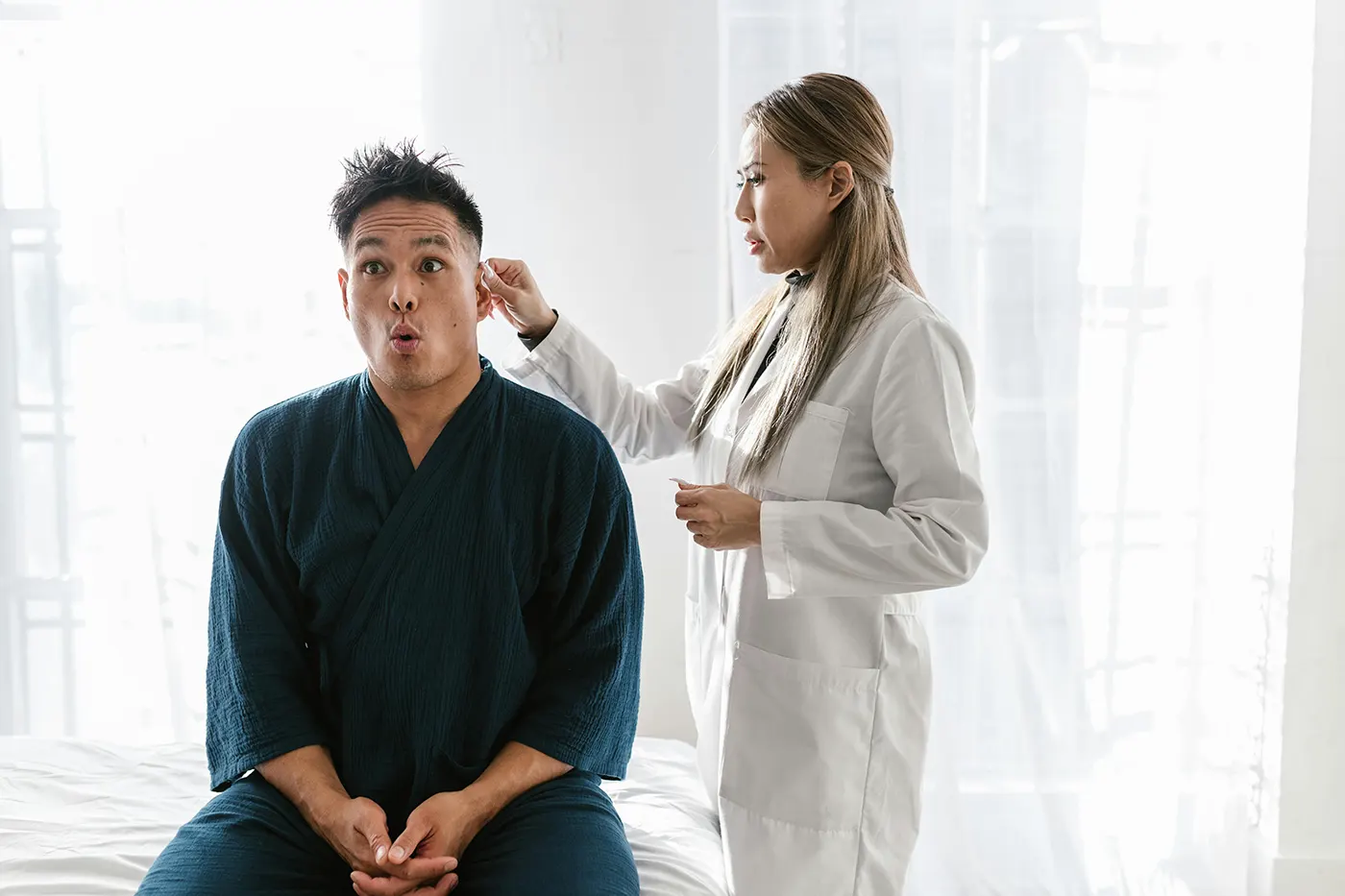
20dB Hearing Singapore operates 11 centers across the island, with locations near MRT stations from Ang Mo Kio and Bedok to Clementi, Jurong East, Orchard and Simei. Every consultation is led by an audiologist and hearing care consultant with an average of five years of clinical practice. Recommendations are tailored to the individual, whether that means hearing aid devices for seniors, a discreet rechargeable model or no device at this stage.
A first hearing assessment is a clarity exercise: it establishes what’s happening, what’s not and what the most useful next step might be. If you have been considering it for yourself or someone close to you, book an appointment at your nearest 20dB Hearing center to take the first step.