
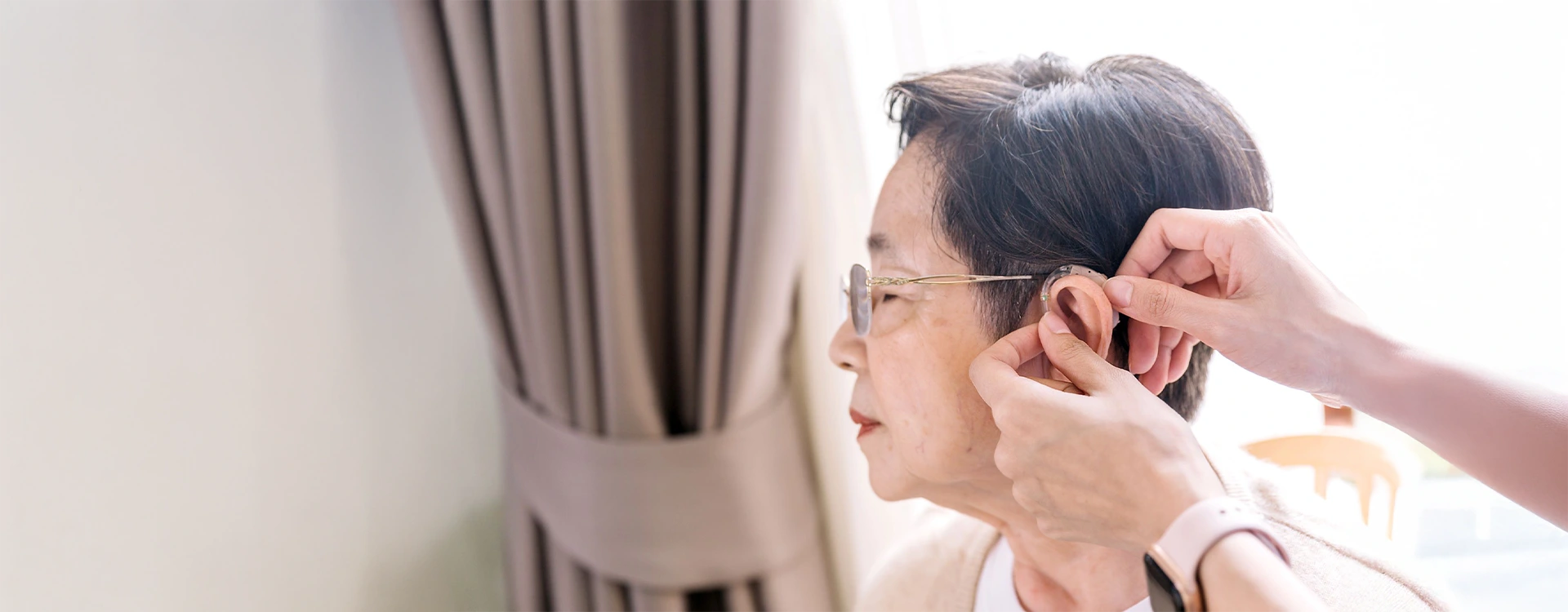

How Long Do Hearing Aids Last? Signs to Upgrade

Most people wait too long to replace their hearing aids. The devices keep working, the batteries keep charging, and the sound is still there, so the assumption is that everything is fine.
However, in practice, hearing aids that are five, six, or seven years old are often quietly underperforming, and the people wearing them rarely notice the drop because the change happens gradually.
As such, understanding how long hearing aids typically last and recognising the signs that performance is slipping helps you plan ahead rather than react to a sudden failure.
The Average Lifespan of Hearing Aids
Most modern hearing aids last between five and seven years with proper care. However, that lifespan refers to how long the device performs at its best, not the moment it stops working entirely. A hearing aid can continue functioning past that point while delivering noticeably less than it once did.
Knowing how often to replace hearing aids can help you plan ahead rather than react to a sudden failure. As a general guide, audiologists recommend doing so every five to seven years, though the right interval depends on how well the device has been maintained and whether your hearing needs have changed.
Rather than waiting for a breakdown, you can approach the five-year mark as a useful checkpoint to assess where your device stands.
What Affects How Long Hearing Aids Last?
Several factors influence how much life a hearing aid has in it, and some are within your control.
- Daily exposure to sweat and humidity: Singapore's climate places consistent pressure on hearing aid components, accelerating wear over time.
- Earwax accumulation: Regular exposure to earwax affects receivers and microphone ports, reducing performance if not cleaned consistently.
- Daily care habits: Devices that are cleaned, dried, and stored properly each evening last longer than those that are not.
- Servicing history: Keeping up with professional check-ups allows minor issues to be caught before they compound.
- Hearing aid style: Behind-the-ear models tend to last longer than smaller in-ear styles, partly because their components are less exposed to the ear canal environment.
- Original fit quality: A device matched well to your hearing profile and ear anatomy from the outset is more likely to remain appropriate over time.
Signs It Might Be Time for an Upgrade
Performance decline in hearing aids tends to be gradual, which is why many wearers adjust to reduced performance without realising it. The following signs suggest a review is overdue.
- Repairs are becoming frequent: When the cost and disruption of repeated repairs start to approach the cost of a replacement, an upgrade is the more practical choice.
- Your hearing has changed: A device fitted several years ago may no longer match your current audiogram, even if the hearing aid itself is still functional.
- Noisy environments feel harder: Struggling to follow conversations in busy settings despite a functioning device may point to insufficient processing capability, and can contribute to listening fatigue.
- Useful features are now available: If features like Bluetooth streaming, rechargeable batteries, or improved noise handling would make a meaningful difference to your daily life, it may be worth considering switching to a newer model.
- The device is more than five to seven years old: Even a well-maintained hearing aid from that period sits several processing generations behind what is currently available, which means it may be working harder to hear in situations where a newer device would handle the load more easily.
What's New in Today's Hearing Aids
Hearing aid technology has advanced considerably over the past several years, and the gap between older and current devices is wider than many wearers realise.
- Improved speech processing: AI-powered models, such as the Phonak Audéo Infinio, separate speech from background noise more effectively than devices from five or more years ago.
- Rechargeable batteries: Current rechargeable models remove the need to handle and replace small batteries, which is particularly useful for those who find the process fiddly.
- Direct Bluetooth streaming: Most current models stream audio directly from phones, televisions, and tablets without a separate intermediary device.
- Remote adjustments: Audiologists can fine-tune device settings remotely, reducing the need for clinic visits when minor changes are needed.
- More discreet designs: Advances in miniaturisation mean current devices offer a wider range of form factors, including options that sit entirely within the ear canal.
- Smarter environment handling: New models detect and adapt to different listening environments automatically. For example, Unitron hearing aid models include features like Soft Speech Lift, which enhances quieter voices without amplifying background noise alongside them.
Why You Don't Have to Wait Until Your Hearing Aid Fails
Waiting for a breakdown before considering an upgrade is a common pattern, but it is not necessarily the most practical one. A device that has declined gradually over several years may have been delivering less than it should for some time before the failure occurs.
At the same time, hearing itself can change over the same period. A device fitted five or more years ago reflects the audiogram at that point, not your hearing today. Therefore, a fresh assessment can confirm whether the current device still matches your actual needs or whether a better-matched option is available.
Upgrading before a forced replacement also tends to produce a smoother transition. Adjusting to a new device takes time, and doing so at a planned moment, with the support of an audiologist, is easier than adapting under the pressure of a sudden loss of function.
Making the Most of Every Hearing Aid You Own
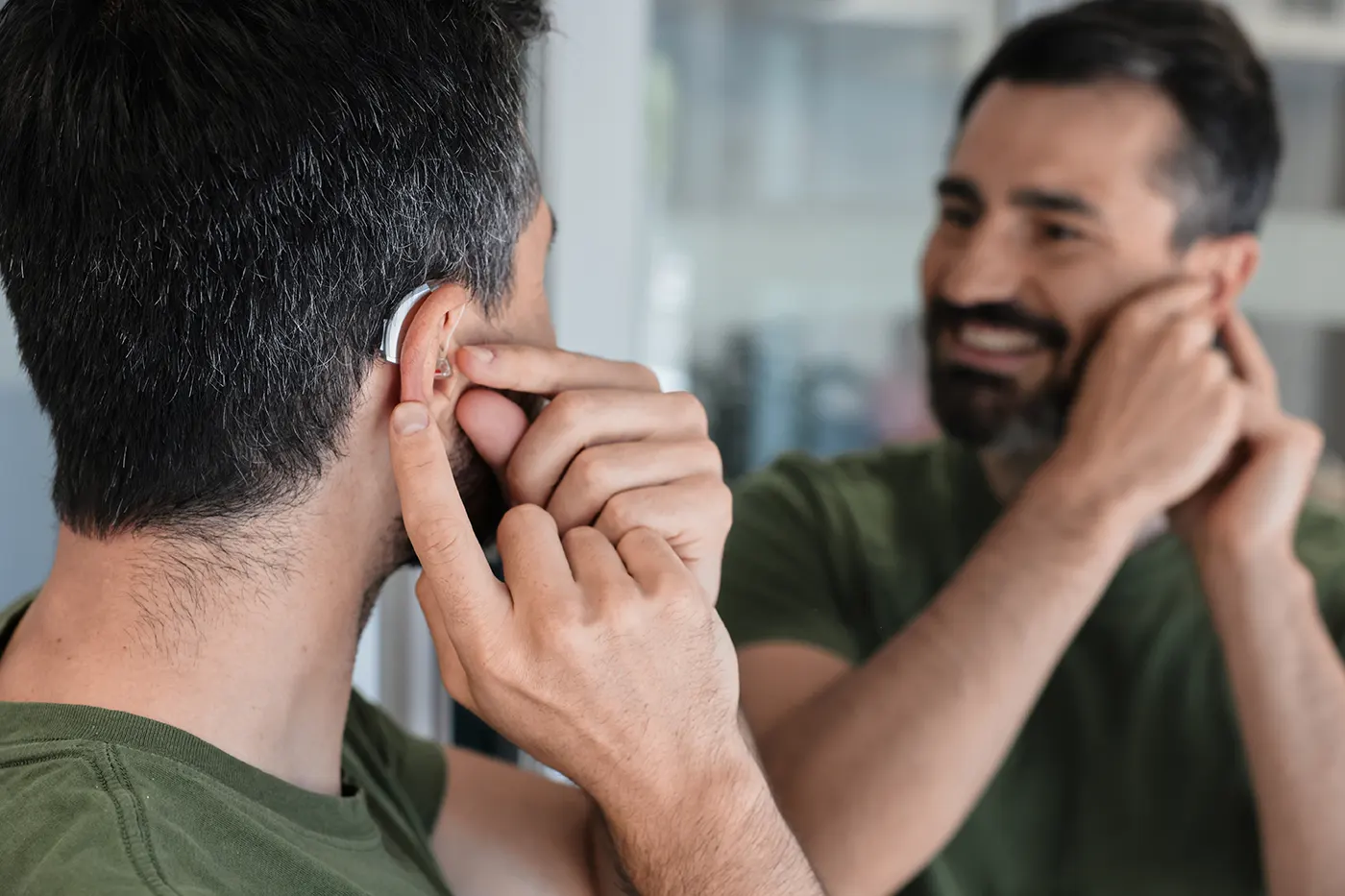
The lifespan of a hearing aid depends not just on the device itself, but on the support around it.
20dB Hearing's Lifetime Aftercare Promise covers ongoing adjustments, cleanings, and follow-ups for as long as the device is in use, helping you get the full service life from your hearing aids.
With 11 centres across Singapore, including locations near major MRT stations, regular servicing is straightforward to fit around daily routines. And for those who prefer not to travel to a clinic, home visit services are also available.
Beyond servicing, the range of devices on offer matters as much as the support around them. Our audiologists carry both Phonak hearing aids and Unitron options, which means recommendations are shaped by your hearing profile and daily context rather than a limited selection.
Whether your current device still has good life in it or an upgrade is overdue, a hearing aid review gives you a clear picture of where things stand.
Contact 20dB Hearing to book a review at your nearest centre and find out whether your hearing aids are still working as well as they should be today.