


Muffled Hearing: Causes, Symptoms, and What To Do Next
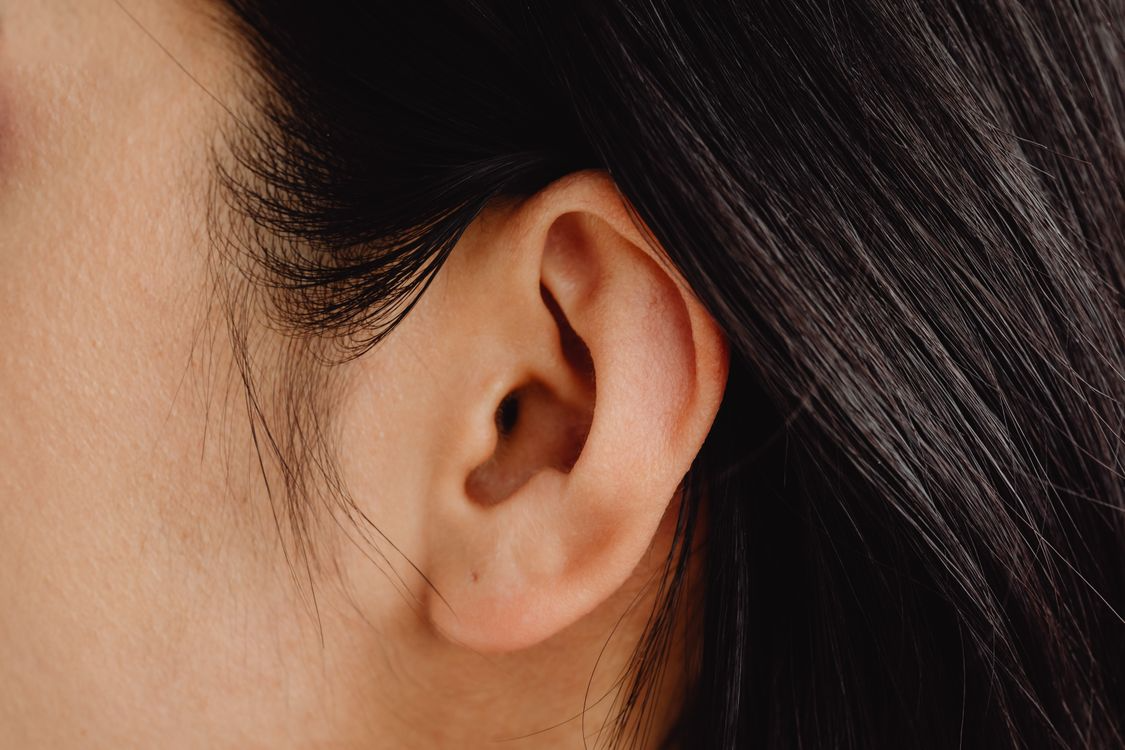
The sensation of muffled hearing is often described as hearing through cotton wool or being underwater. Sounds arrive, but without the clarity or presence they should have. Causes range from temporary conditions like earwax buildup to ones that can cause lasting damage if left unaddressed.
Whether the onset is sudden or gradual, identifying the cause early matters. Some causes resolve on their own. Others require treatment to prevent permanent changes to hearing.
Causes of Muffled Hearing
Muffled hearing has a wide range of causes, from minor and temporary to conditions that require medical intervention.
- Earwax buildup: Excess wax in the ear canal blocks sound transmission. It is one of the most common causes of muffled hearing and also one of the most straightforward to resolve. Blocked ears from earwax buildup are particularly common in adults who use cotton buds or wear hearing aids regularly.
- Cold or flu: Congestion and Eustachian tube blockage from a respiratory illness reduce sound clarity. This type of muffled hearing is usually temporary and resolves as the illness clears.
- Ear infections: Swelling or fluid in the outer or middle ear disrupts how sound travels through the ear. Infections can affect one or both ears and are often accompanied by pain, pressure or discharge.
- Noise-induced hearing loss: Prolonged or sudden loud noise exposure can damage the hair cells in the inner ear, leading to muffled sound and reduced speech clarity.
- Age-related hearing loss: A gradual decline in the ability to hear high-frequency sounds, which can make speech feel muffled or indistinct over time.
- Barotrauma: Pressure changes from air travel, diving or altitude changes can cause the eardrum to retract or fluid to accumulate in the middle ear, producing a muffled or full sensation.
- Ruptured eardrum: Caused by trauma, pressure changes or infection, a perforated eardrum affects sound transmission and may produce sudden muffled hearing in one ear.
- Ménière's disease: An inner ear disorder caused by fluid imbalance, often associated with episodes of muffled hearing, tinnitus and dizziness.
- Tumours or growths: Rare causes such as cholesteatoma can affect hearing by obstructing or pressing on auditory structures.
- Sudden sensorineural hearing loss (SSHL): A sudden, unexplained drop in hearing, often in one ear, that occurs all at once or over a few days. Considered a medical emergency, it requires immediate treatment within a narrow window once diagnosedto prevent permanent loss.
Treatment Options Based on Cause
Treatment for muffled hearing depends on the underlying cause. Common approaches include:
- Earwax removal: Safe removal via irrigation or curettage, carried out by a healthcare professional. Attempting to remove earwax at home with cotton buds often pushes it deeper.
- Infections: Antibiotics for bacterial ear infections; antifungals where indicated. Pain relief and monitoring in milder cases.
- Eustachian tube dysfunction: Decongestants, antihistamines or nasal sprays to reduce congestion and restore pressure balance.
- Hearing loss: Hearing aids or assistive devices where muffled hearing reflects a lasting change in hearing ability rather than a temporary blockage.
- Ruptured eardrum: Many heal on their own with monitoring; more significant perforations may require surgical repair.
- Ménière's disease: Lifestyle adjustments, medication and vestibular therapy can help to manage episodes as well as reduce their frequency.
- Structural abnormalities or growths: Surgical intervention where cholesteatoma or other structural issues are the cause.
- Steroid treatment for SSHL: Oral steroids or intratympanic steroid injections directly into the middle ear. Early administration, ideally within 48 to 72 hours of onset, significantly increases the chances of recovering lost hearing.
Symptoms and What Muffled Hearing Feels Like
The experience varies from person to person, but some descriptions come up consistently:
- "I can hear, but nothing sounds clear."
- "Voices sound like they are coming from further away than they are."
- "Everything sounds dull, like I am hearing through a wall."
Muffled hearing often presents alongside other symptoms that help point to the cause:
- Ear pressure or fullness: A sensation of blockage or congestion in the ear canal or middle ear.
- Tinnitus or distortion: A ringing, buzzing or hissing sound accompanying the muffled sensation. In some cases, sound may take on an echoing or hollow quality that is distinct from standard muffling.
- Pain or discomfort: More common with ear infections or barotrauma.
- Dizziness or balance issues: Particularly associated with Ménière's disease or inner ear involvement.
- Discharge: May indicate infection or a ruptured eardrum and warrants prompt attention.
When To See a Hearing Specialist
Some causes of muffled hearing resolve within a day or two without intervention. Others require professional assessment to determine the cause and appropriate treatment. Seeking a review is advisable when:
- Muffled hearing lasts more than 48 hours without an obvious cause such as a cold.
- There is sudden muffled hearing in one ear, particularly without a clear trigger.
- Symptoms follow loud noise exposure or a head injury.
- The muffled sensation is accompanied by pain, fever, discharge or balance problems.
- Hearing has been gradually worsening over weeks or months.
Early assessment matters. Sudden sensorineural hearing loss (SNHL), for example, is time-sensitive and responds better to treatment when identified quickly. Noise-induced hearing loss can progress if the underlying exposure continues unaddressed.
Get a Hearing Assessment at 20dB Hearing

A free hearing check at 20dB Hearing provides an objective picture of how the auditory system is functioning and is the most straightforward way to understand what is contributing to the changes you or a loved one has noticed.
20dB Hearing has 11 centers across Singapore, many located near MRT stations, with audiologists who can identify the cause and discuss the appropriate next steps. Schedule an appointment to find out what is behind the muffled hearing you are experiencing and what can be done about it.