

Protect Your Hearing with Earplugs for Concerts
Earplugs for Concerts: Protecting Your Hearing Without Missing the Music
Most concertgoers do not think about their hearing until something goes wrong. A persistent ringing that lingers after a show. Muffled sound in the days that follow. These are early indicators of noise-induced hearing damage, and they are more common than most people realise.
The question most people arrive at is whether wearing earplugs at a concert means giving up the experience. For standard foam earplugs designed for sleep or industrial use, the answer is largely yes.
However, specialised earplugs engineered for live music work on a different principle entirely. They reduce sound to a safer level while preserving the clarity, balance, and character of the music. For regular concertgoers, understanding this distinction is a practical starting point for long-term hearing health.
The Hidden Danger of Concert Noise
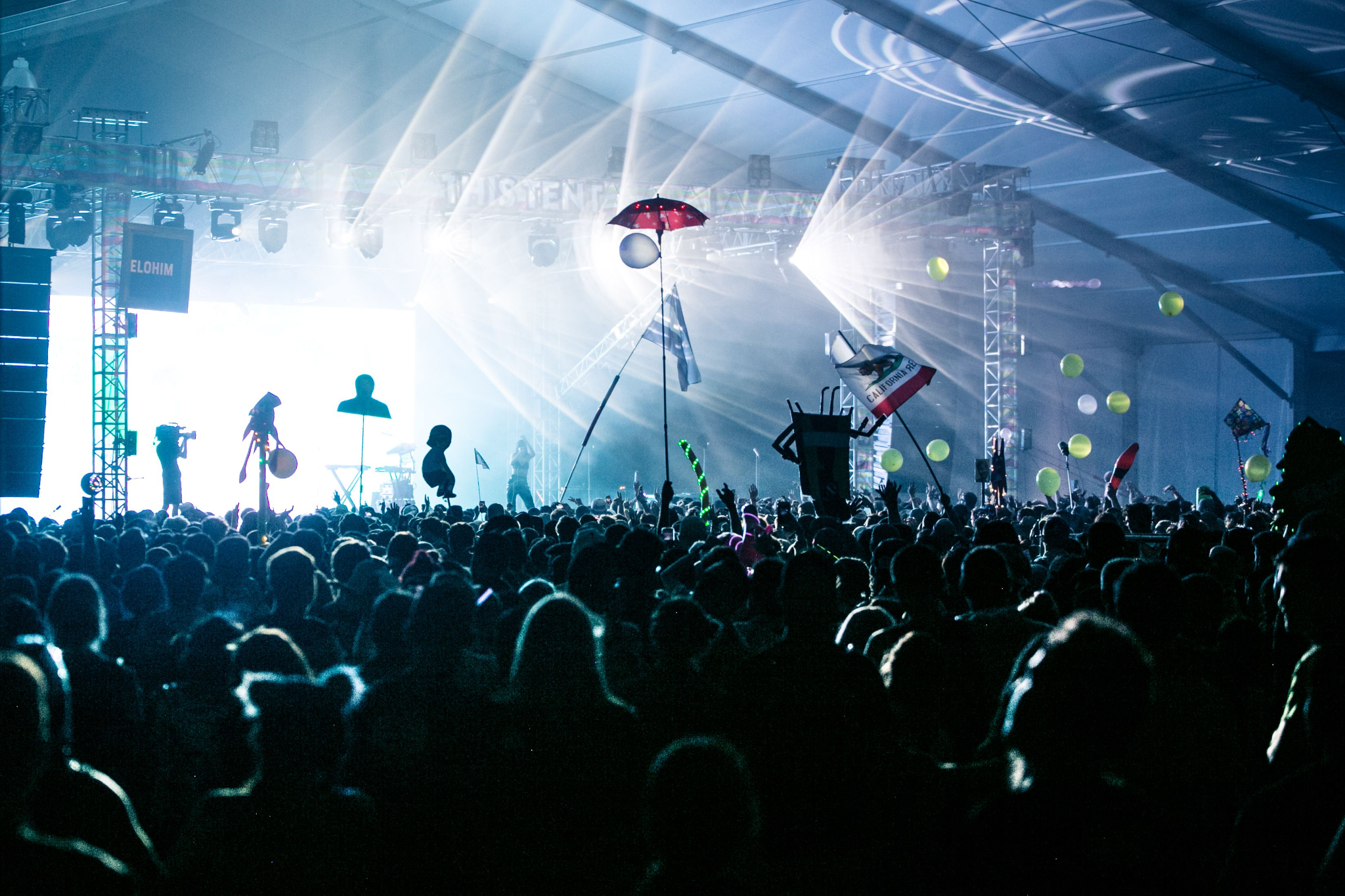
Live music is loud by design. At most venues, sound levels regularly reach 100 to 110 decibels, with peaks going higher at the front of the crowd. By comparison, a normal conversation sits at around 60 decibels, and safe listening levels for prolonged exposure are set at around 85 decibels. That gap matters, as sustained exposure above 85 decibels carries a real risk of permanent inner ear damage.
The cumulative nature of noise-induced hearing loss is what makes it easy to underestimate. A single concert may not produce noticeable changes immediately. However, repeated exposure accumulates into a total noise dose across months and years. The auditory system has no mechanism for reversing damage once it is done.
The effects are often most pronounced at specific hearing frequencies. High-frequency sounds, which carry the fine detail and clarity in both music and speech, tend to be the first to deteriorate. Over time, this can make voices harder to follow and music less distinct. By the time the change becomes obvious, the loss has usually been building silently for some time.
Taking steps to protect your hearing at concerts is about more than one event. It is about preserving full listening capacity for the years ahead.
Debunking the Myth: Earplugs Don't Just Block Sound
Standard foam earplugs work by sealing the ear canal and physically blocking sound. They reduce overall volume effectively but do so unevenly, dampening high frequencies far more than low ones. The result is a heavy, muffled quality that gives earplugs their reputation for ruining the concert experience.
Musician's earplugs take a different approach. They use acoustic filters to reduce volume consistently across all hearing frequencies, rather than simply blocking the ear canal. The filter sits inside the earpiece and passes sound through a controlled aperture, managing volume reduction across each frequency.
This brings the overall level down by 15 to 25 decibels, depending on the filter chosen. The tonal balance of the music stays intact throughout. What reaches the ear is a quieter version of what is happening on stage.
This design offers a set of practical benefits:
- Preventing noise-induced hearing loss: Musicians' earplugs reduce sound to a safe range, allowing extended listening without risking permanent inner ear damage.
- Reducing listening fatigue and tinnitus risk: Lower volume reduces auditory strain during a long event, and lowers the chance of ringing or exhaustion afterwards.
- Extending comfortable listening time: With volume at a manageable level, wearers can stay at events longer without the discomfort that follows prolonged loud exposure.
For some concertgoers, the signs of noise exposure show up clearly after the fact. If you have noticed muffled hearing or persistent ringing after a show, these are signs that sound levels have exceeded a safe range.
Types of Earplugs for Concerts
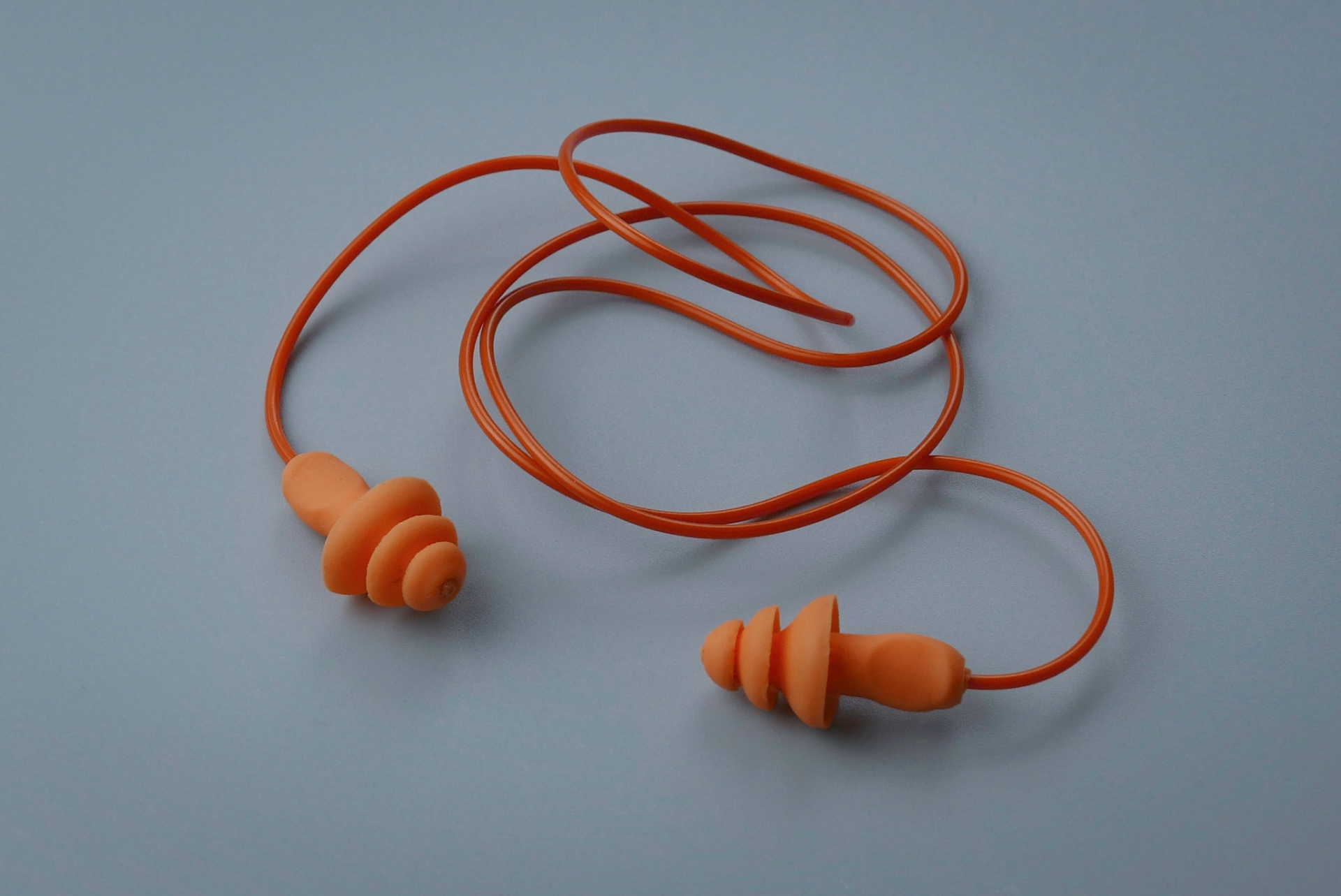
Concert earplugs come in three main types. Which works best depends on your attendance frequency, typical venue volume, and the level of hearing protection you need.
Reusable Earplugs
Reusable earplugs with interchangeable filters are the most practical starting point for most concertgoers. They typically offer two or three attenuation levels, ranging from 10 to 25 decibels, to suit different venue volumes. They are comfortable across multiple events and represent good value over time.
Custom Earplugs
Custom-moulded earplugs are made from an impression of the individual ear canal, providing a precise acoustic seal and consistent attenuation. An audiologist takes the impression at the clinic, and the earplugs are made to order.
They offer the highest level of hearing protection and sound fidelity, and are the preferred choice for musicians and frequent attendees. The upfront cost is higher, but with proper care, they last for several years.
Disposable Foam Earplugs
Disposable foam earplugs are inexpensive and widely available. They are useful as a backup option, but for anyone attending concerts regularly, they are not the ideal choice, since they do not preserve sound quality across frequencies.
Choosing the Right Earplugs for Concerts
Several factors are worth considering before making a decision.
- Match attenuation to your typical venue: Louder settings and open-air festivals call for a higher level of reduction than smaller, quieter indoor venues.
- Prioritise fit and comfort: An earplug that fits poorly will not perform to its rated specification and may shift during a show.
- Seek professional guidance: Book a hearing test in Singapore at 20dB Hearing to establish your baseline and get an audiologist's recommendation on the right protection level.
Protect Your Hearing for the Long Term
Concerts are an experience worth returning to, and protecting your hearing is what makes that possible over time. Noise-induced hearing loss develops silently and does not reverse on its own. While hearing aids can help manage some of the functional effects of hearing loss, prevention remains the most effective approach.
Wearing earplugs designed for music is a practical habit with a meaningful long-term impact. At a well-attended concert, the difference between a protected and unprotected listening experience can amount to years of preserved hearing. They keep sound at a safe level, maintain fidelity across all frequencies, and reduce the after-effects many concertgoers accept as normal.
If you attend concerts regularly or have noticed hearing changes after live events, a hearing assessment is a sensible starting point to give you a clearer picture of where your hearing health stands.
Schedule an appointment with 20dB Hearing to find out where you are and what protection best suits your needs today.