
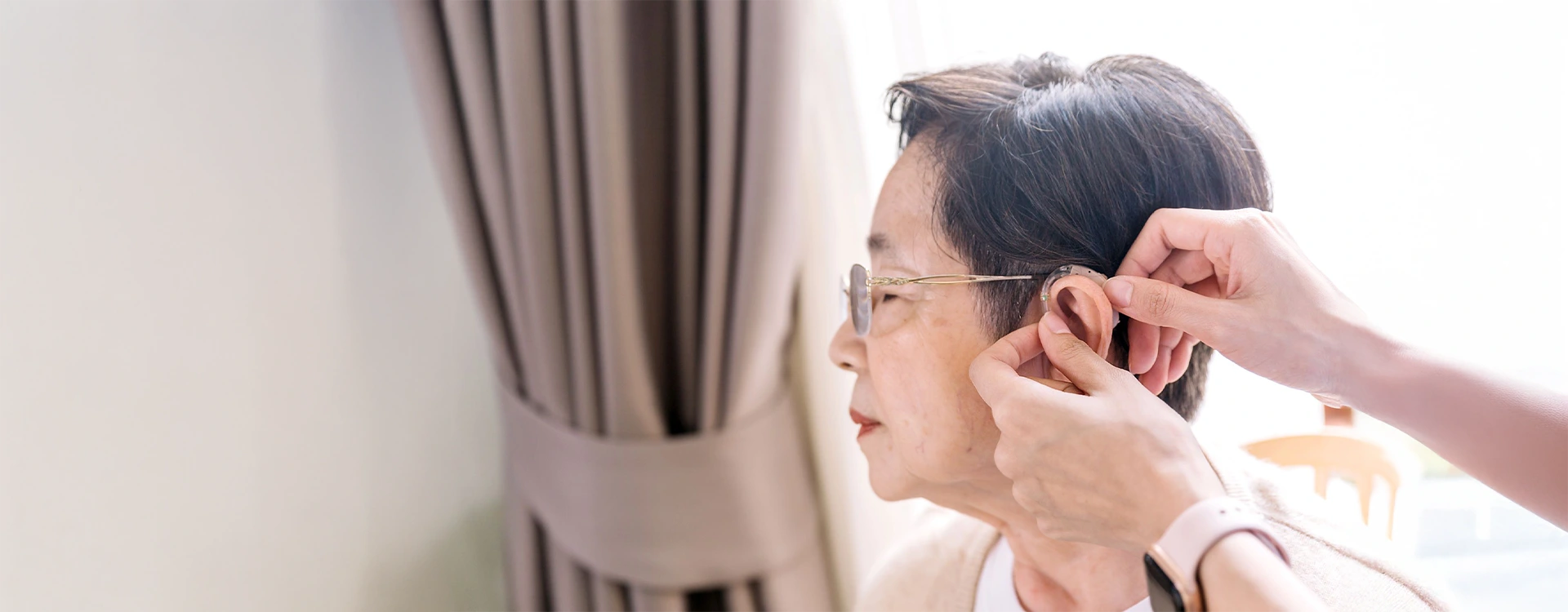

How to Extend the Life of Your Hearing Aids
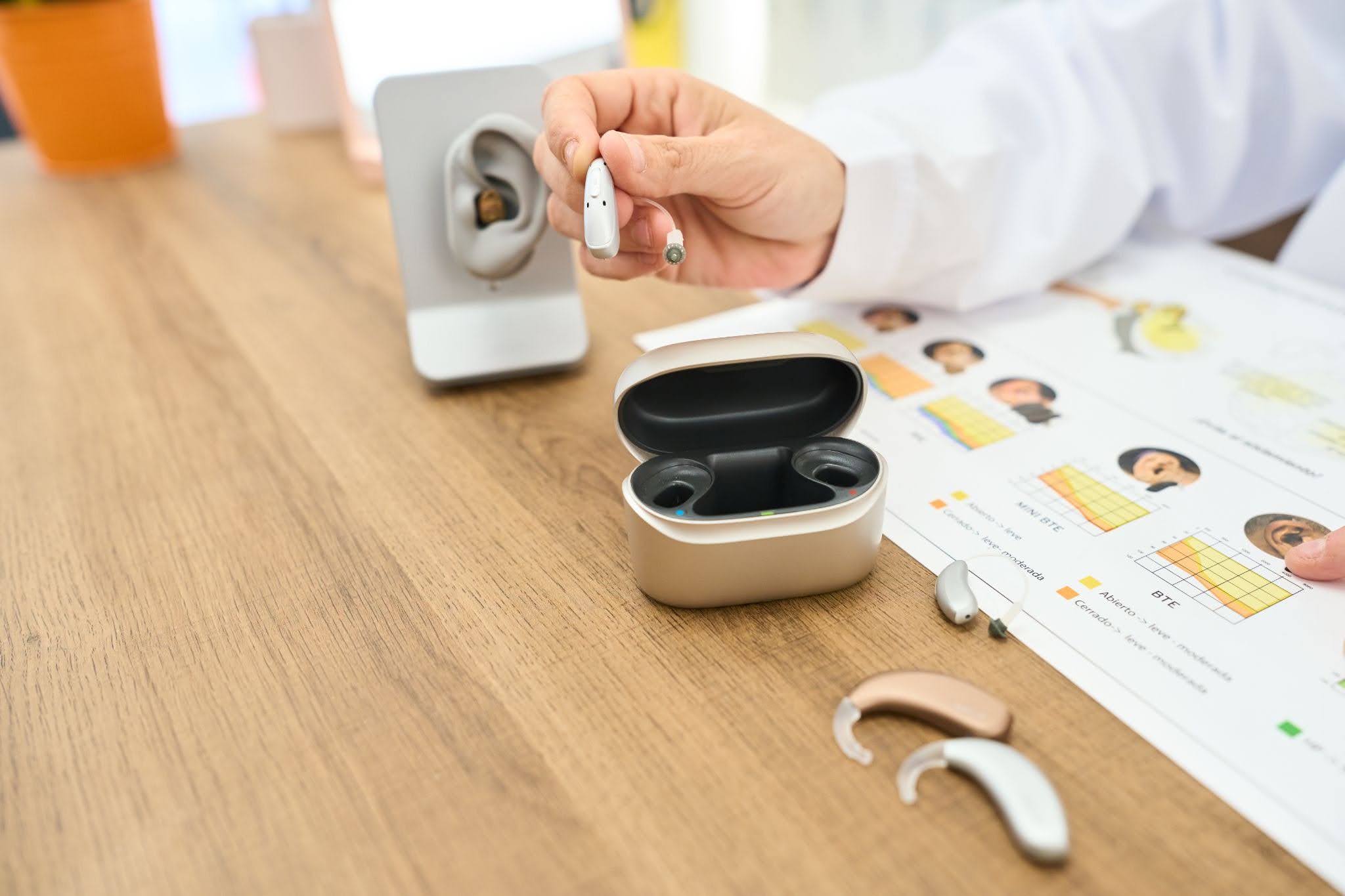
5 Ways to Extend the Life of Your Hearing Aids
A hearing aid is a significant investment. Most people are surprised to learn just how much its longevity depends not on the device itself, but on how consistently it is looked after. The typical lifespan falls between five and seven years, but that range assumes regular cleaning, proper storage and a degree of care that many users do not realize is necessary from the first week of wearing.
The good news is that what extends a hearing aid's life the most is being consistent in practical use. These habits below make the biggest difference.
1. Daily Cleaning and Maintenance
Earwax is the leading cause of hearing aid damage. It accumulates gradually in microphone ports and receiver openings, reducing sound clarity and over time, works its way damaging the components that are costly to repair or replace.
A consistent cleaning routine takes less than five minutes. Use a soft-bristled brush to clear debris from the microphone ports and receiver opening at the end of each day. Follow with a wipe-down of the body using a clean, dry cloth. Avoid using water, alcohol or any other non designated hearing aid cleaning solution directly on the device, as these can damage internal components and void manufacturer warranties.
For behind-the-ear models with a separate earmold, the earmolds can be detached and wiped with a slightly damp cloth, then left to dry completely before reattaching. Never connect a wet earmold back to the hearing aid body.
Handle the device over a soft surface or table when cleaning. Dropping a hearing aid, even from a short height, can dislodge internal components in ways that are not always immediately obvious.
2. Proper Storage
Moisture is the most constant threat to hearing aid performance Humidity, condensation and even the natural moisture from a full day of wear can accumulate inside the casing and degrade internal components over time. Moisture damage tends to be gradual and cumulative, which means it often goes unnoticed until performance is already compromised.
When you are not wearing your hearing aids, store them in a dedicated drying kit or electronic dehumidifier overnight. These draw out accumulated moisture and significantly reduce the rate of internal wearing off. If a drying kit is not available, a sealed container with a silica gel pack is a reasonable alternative, though a purpose-built kit is more effective.
Keep hearing aids away from direct sunlight, windowsills and environments that fluctuate in temperature. Car gloveboxes and bathrooms are two of the most common storage mistakes. A bedside drawer or dedicated case in a stable, climate-controlled room is the most reliable option for daily storage.
3. Battery Management
For hearing aids that use disposable batteries, you can handle the battery matters as the hearing aids themselves. Insert them with clean, dry hands, aligning the polarity correctly before pressing down. Forcing a battery in at the wrong angle can bend the contact pins inside the battery compartment, causing damage that is not typically covered under standard warranty.
Open the battery door when the device is not in use. This reduces current drain and allows any residual moisture inside the compartment to escape. Avoid mixing old and new batteries in the same device. Use batteries before their expiry date. Storing spare batteries in a cool, dry location, rather than in a compact and heated environment, helps to preserve their charge until they are needed.
For those using rechargeable hearing aids, the equivalent habit is placing devices in their charging case at the end of each day. Avoiding extended charging periods helps to preserve battery health and ensures the device is ready to perform each morning.
4. Regular Professional Maintenance
Home cleaning addresses surface-level debris, but some buildup works its way into areas that are not accessible without designated tools. Professional cleaning should be carried out every six to twelve months, to remove deeper accumulation and give audiologists to ensure optimum device performance.
These visits also catch early signs of wearing off before they develop into significant problems. A microphone that is slightly reduced in sensitivity, a receiver that is starting to have distortion, or a physical fit that no longer matches the shape of the ear canal are all things an audiologist can identify and address at a routine appointment. Catching these issues early is considerably less disruptive and less expensive than waiting for a noticeable drop in performance.
Hearing aid trial and fitting is where the relationship with your audiologist begins. Maintaining that relationship through regular professional check-ins is one of the more overlooked aspects of getting full value from a device across its lifespan.
5. Protect Your Hearing Aids from the Elements
The environments you move through each day carry risks that are easily underestimated. Water exposure is the most straightforward: remove your devices before showering, swimming or spending time in heavy rain. Even models with water-resistant ratings have limits, and repeated exposure accelerates internal corrosion over time.
Heat and dust are less commonly considered but are equally damaging. Direct sunlight, hair dryers, saunas and hot car interiors can warp hearing aid casings and affect the adhesive that holds internal components in place. Working in dusty or high-particulate environments increases the rate at which microphone ports become clogged, requiring more frequent cleaning and potentially more frequent professional maintenance.
When traveling or moving between locations, carry your devices in a protective case rather than loose in a bag or pocket. A purpose-built case absorbs impact from minor drops and knocks and prevents physical damage that accumulates from daily handling over months and years.
The Difference Consistent Care Makes
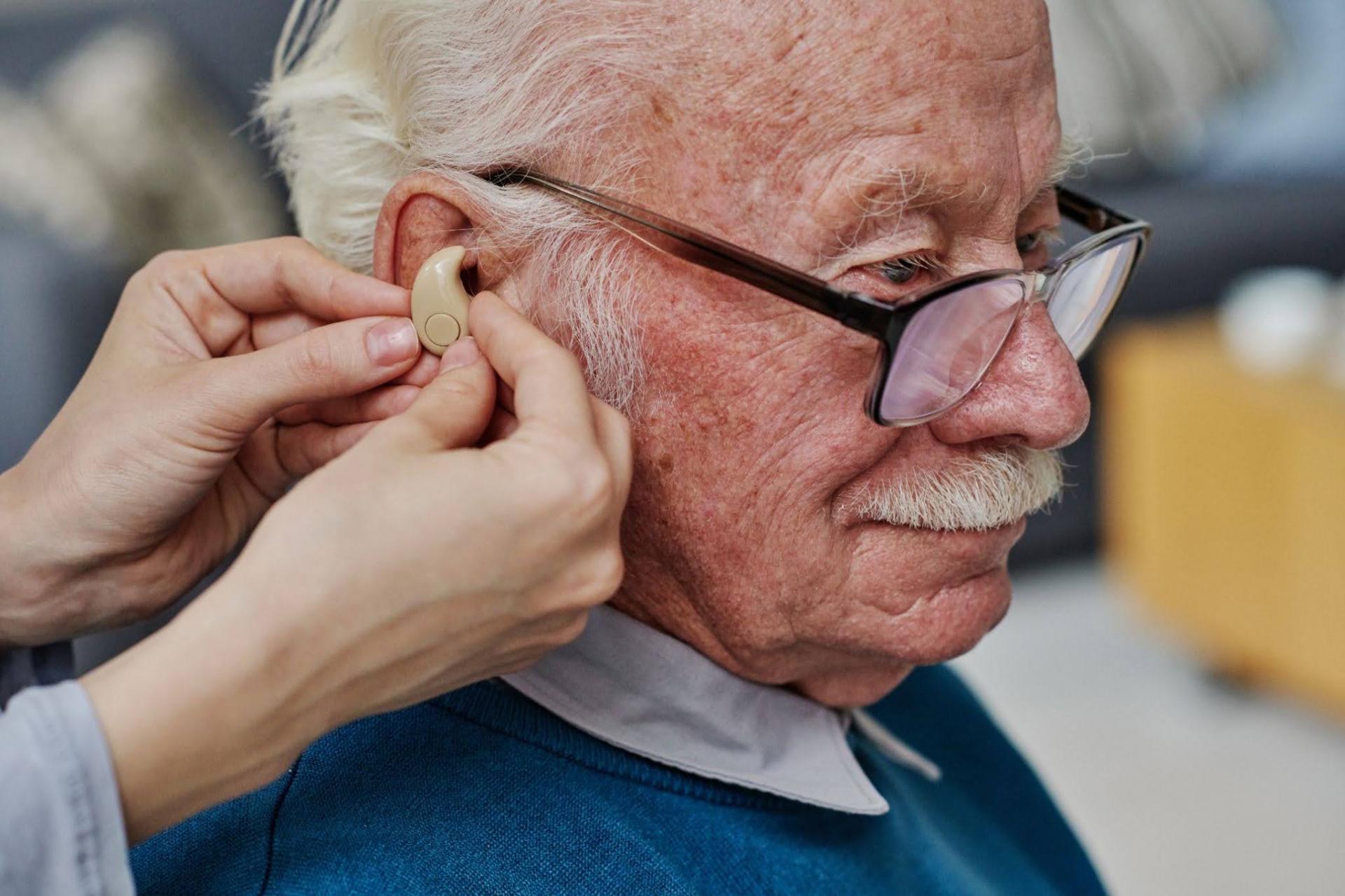
Hearing aids can last five to seven years with consistent care. Daily cleaning, thoughtful storage, correct battery habits, regular professional check-ups and sensible protection from the elements each contribute to a device that holds its performance across its full lifespan. None of these habits are difficult. Together, they make a measurable difference.
If you have questions about the right care routine for your specific devices, or if it has been a while since your last professional maintenance appointment, schedule a visit with 20dB Hearing. Our audiologists can assess the current condition of your devices and advise on the maintenance approach that suits your lifestyle.