


Which Ear Hears Better? What It Means to Have a Dominant Ear
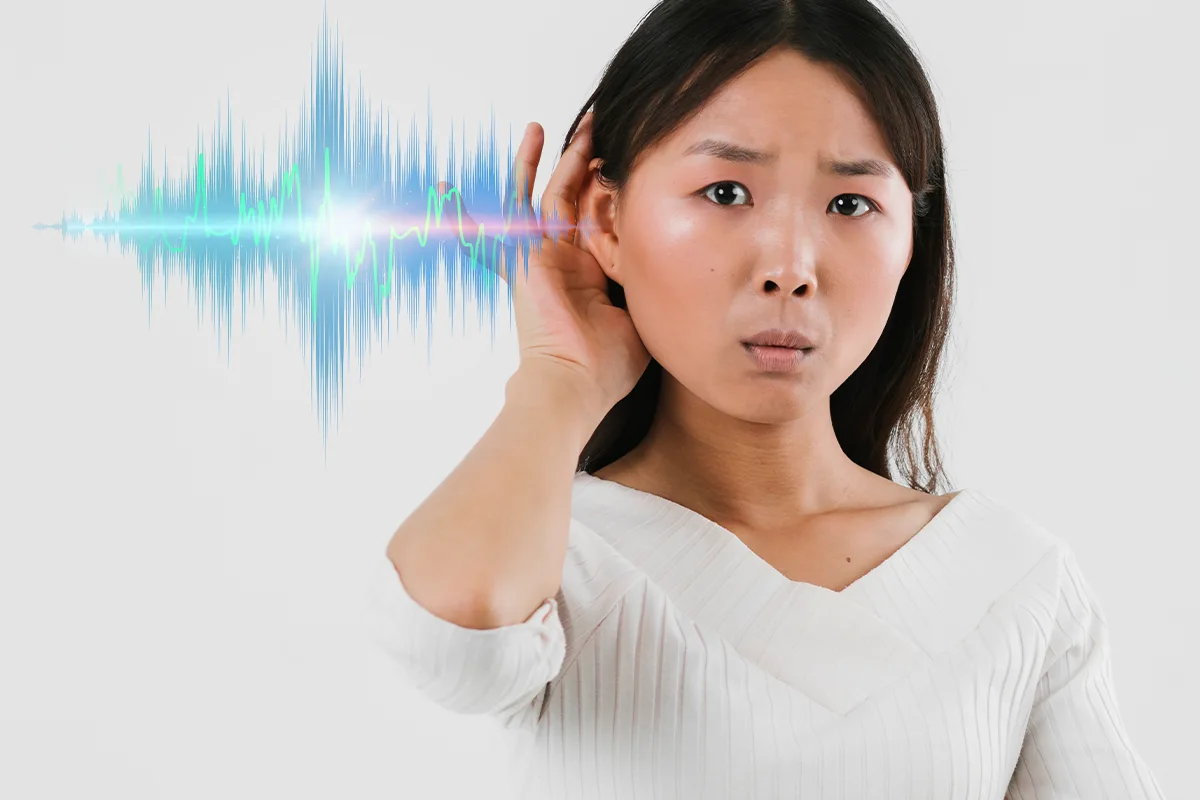
It is common for individuals to perceive a slight disparity in hearing sensitivity between the right and left ears. This is frequently referred to as having a “dominant ear.” In terms of auditory processing, the right ear often demonstrates a superior ability to process speech, whereas the left ear may show heightened sensitivity to prosody, emotional tone, and musicality.
Is it Normal to Hear Better in One Ear?
In most individuals, a slight preference for the right ear is entirely physiological. This is known as the “right-ear advantage.”
Because the brain’s left hemisphere primarily handles language, speech heard through the right ear travels more directly to the area responsible for understanding spoken words.
This anatomical efficiency allows the right ear to decode speech more rapidly, particularly in complex acoustic environments or "competing message" situations.
How to Determine Your Dominant Ear?
There isn’t a formal test to determine which ear is dominant. Instead, identifying your dominant ear usually comes down to observing everyday habits and natural reactions.
- Localization Habits: Observe which cheek you angle toward a sound source in high-ambient-noise settings.
- Phone Preference: Pay attention to how you use your phone. Do you automatically hold it to the same ear every time? That repeated habit can reveal your preferred listening side.
Right Ear Dominance
The right ear’s direct connection to the brain's linguistic centers often makes it more efficient at processing speech and other informational sounds. As a result, conversations may feel slightly clearer or easier to follow on this side.
Left Ear Dominance
Left-ear dominance is less common but still completely normal. The left ear is often more sensitive to pitch changes and tonal patterns, such as music or singing, making it feel more responsive in those situations.
The Importance of Binaural Hearing
Binaural hearing means using right and left ears together to perceive sound, and this balanced input plays a key role in how we experience the world around us.
- Accurate Sound Localization: By detecting small differences in timing and loudness between ears, your brain can quickly determine where a sound is coming from.
- Clear Speech-In-Noise Perception: Binaural hearing also improves speech understanding in noisy settings, helping you separate a voice from background sounds.
However, even a mild imbalance between ears can affect listening comfort, spatial awareness, and clarity in complex environments.
Distinguishing Dominant Ear from Unilateral Hearing Loss (UHL)
Because balanced input from both ears is essential for effective binaural hearing, it’s equally important to distinguish between a natural dominant ear and UHL. With ear dominance, both ears may hear certain sounds better, yet both ears still function well. As a result, most people can locate sounds and manage conversations in noisy places without difficulty.
UHL, on the other hand, occurs when hearing is reduced in one ear only, ranging from mild loss to single-sided deafness. In these cases, individuals may have significant difficulty identifying where sounds originate and often struggle in restaurants, crowds, or busy environments. This may also lead to listening fatigue.
Causes of hearing loss can include ear infections, head trauma, noise exposure, tumors, sudden sensorineural hearing loss (SSNHL), or congenital factors present at birth.
Developmental and Functional Implications of UHL
UHL can affect both adults and children.
- Adult Populations: In adults, UHL may show up as difficulty identifying the direction of a voice or reacting quickly to sounds in their environment. As a result, everyday situations, such as group conversations or busy public spaces, can feel more challenging.
- Pediatric Populations: Asymmetrical impairment can usually be recognized within the first months of life. Some children are born with UHL due to genetic or developmental issues. Parents may notice that their child does not respond to sounds on one side or has trouble turning toward voices. Early intervention is important because timely assessment and support can help prevent delays in speech, language, and development.
How UHL Leads to Auditory Deprivation?
When UHL limits stimulation to one ear, auditory deprivation can develop over time. If the right or left ear receives little to no input, the underused ear can become “lazy,” and the brain may begin reorganizing its auditory pathways in response to the imbalance. As a result, the neural connections responsible for processing sound can gradually weaken.
This deprivation doesn’t just affect the weaker ear; it may also influence how the brain processes sound from the normal-hearing ear. For example, changes in pitch/frequency discrimination and auditory memory have been observed in individuals with long-standing UHL. Over time, reduced stimulation can affect listening efficiency and sound clarity.
Therefore, early intervention is important. Supporting both ears as soon as possible can help maintain strong neural pathways and preserve the brain’s ability to process sound.
Get Professional Guidance for Your Auditory Health at 20dB Hearing

While having a dominant ear is completely normal, it’s always a good idea to get a professional hearing test to rule out any doubts about your hearing health. A qualified audiologist can perform a thorough ear check-up in Singapore, helping you determine whether your hearing is balanced or if there might be an underlying condition that requires attention.
At 20dB Hearing, we offer personalized hearing assessments for all ages, from young children to the elderly. If necessary, we suggest a hearing aid trial and fitting to ensure an appropriate fit for your needs. Our audiologists are also experienced in recommending hearing devices for the elderly, children, as well as people of other ages.
Don’t let uncertainty hold you back. Schedule an appointment with us today and take the first step toward improved hearing.