

Why Am I Hearing Double? Understanding Diplacusis

Have you ever listened to a single musical note or someone's voice, only to perceive it as two conflicting sounds at once? If so, you may be experiencing diplacusis, an auditory phenomenon or commonly known as double hearing.
Diplacusis is a hearing condition in which the same sound is perceived as having different pitches in each ear. While it can affect anyone, it is more frequently linked to hearing loss or ear-related concerns, particularly asymmetrical hearing loss, where one ear processes sound differently than the other.
By identifying the root cause of diplacusis, you can explore treatment options and take proactive steps to enhance your hearing.
What is Double Hearing?
Under normal circumstances, the brain merges sounds from both ears into a single perception, allowing us to recognize voices, music, and everyday noises clearly. Double hearing occurs when this process is disrupted, resulting in one sound being perceived as two separate pitches, tones, or even slightly out of sync.
This can happen to one ear (monaural) or both ears (binaural), creating an unusual auditory experience. The mismatch signals are transmitted to the brain, leading to different sound senses (or pitch) when there should be integrated as one.
Types of Diplacusis
Diplacusis is classified according to the abnormal perception caused within one ear or both.
Diplacusis Monauralis (Single-Ear)
Diplacusis monauralis, occurs when a single ear interprets one sound as two. In this situation, the difference does not involve both ears; instead, it originates within the affected ear.
Diplacusis Binauralis (Both Ears)
Another form of double hearing is diplacusis binauralis, where both ears are involved but each perceives the same sound differently. This mismatch in sound perception can be categorized into two subtypes.
- Diplacusis Dysharmonica (Pitch Discrepancy): one ear hears a sound at a noticeably different pitch than the other, either higher or lower, causing the sound to feel distorted or off-key.
- Diplacusis Echoica (Timing Discrepancy): two ears process sound at different speeds, creating an unsettling echo or repetition effect.
Causes of Diplacusis
Several factors can contribute to double hearing
- Asymmetrical Hearing Loss: Hearing loss that is worse in one ear than the other, causing different perception of intensity and timing of sounds.
- Sensorineural Hearing Loss: Often associated with aging or prolonged exposure to loud sounds, which can distort the perception of sound frequencies.
- Ear Obstructions: Blockages such as excess earwax, ear infections, clogged sinuses, Eustachian tube dysfunction, or acoustic neuroma can alter sound perception.
- Head or Ear Injury: Injuries to the head or ear can affect auditory pathway, such as the cochlea or the auditory nerve, disrupting sound transmission.
- Secondary Medical Causes: Certain medications that affect hearing or balance issues, such as Ménière's disease, may also lead to double hearing.
Diplacusis and Musicians
Diplacusis has higher prevalence in musicians contributed by sensitivity to pitch and tone. Even a slight difference in sound perceptions can make harmony seem discordant, causing melodies to feel distorted or out of tune.
How Long Does Diplacusis Last?
How long diplacusis lasts often depends on the underlying hearing issue and how quickly it is addressed.
- Temporary Shift: When double hearing is linked to infections, congestion, or temporary hearing changes, it may improve once the underlying concern is addressed.
- Permanent Shift: If diplacusis is related to permanent hearing damage, such as sensorineural changes in the inner ear, the perception may persist. In these cases, individuals may need long-term strategies to manage the distortion.
How to Manage Diplacusis?
Managing diplacusis depends on identifying the underlying cause and addressing it appropriately.
1. Address the Root Cause
Addressing the source of diplacusis is the first step to managing the double hearing effect.
- Obstructions: If blockages (such as excess earwax) have caused the distortion, professional removal may help improve hearing.
- Medication: A medical professional can help evaluate potential adjustments to dosage or prescriptions.
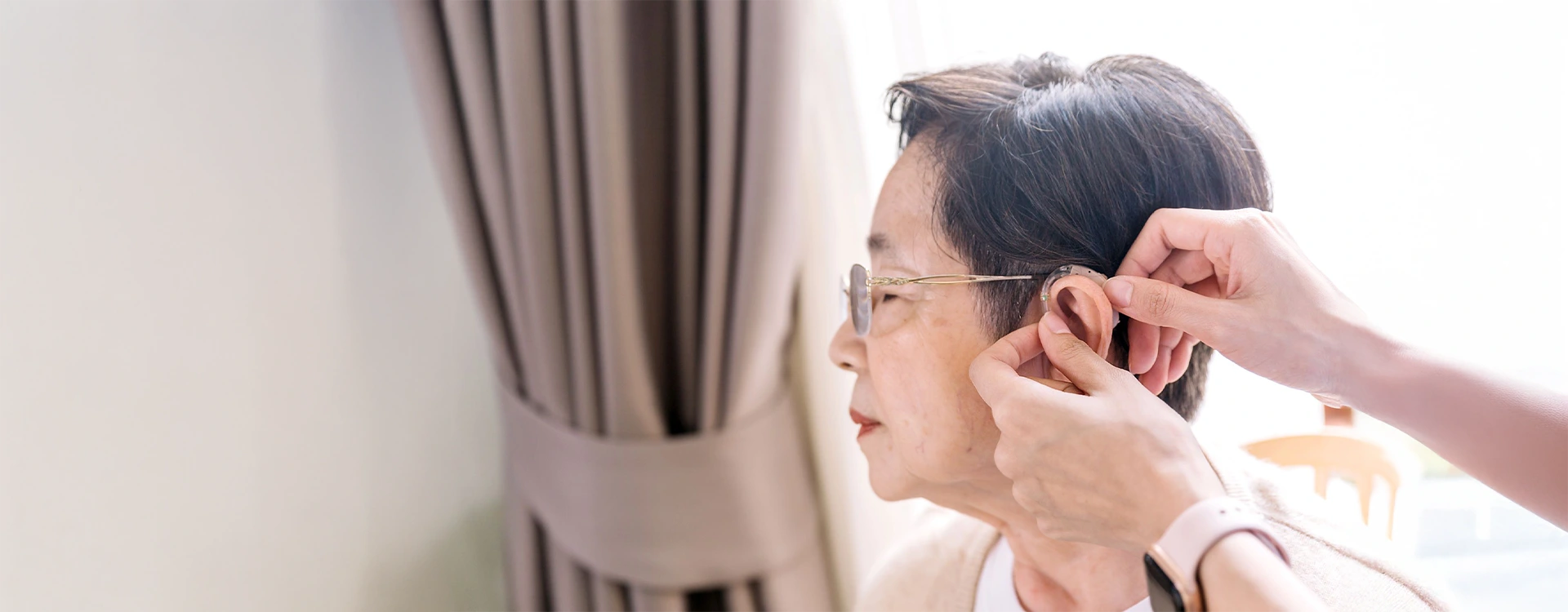
- Asymmetrical Hearing Loss: For individuals with uneven hearing levels, calibration through hearing aids can rebalance sound perception and minimize the “double” effect.
2. Auditory Support
The auditory system can be trained to process sound more efficiently:
- Auditory Training: Brain training techniques can help the ear compensate, improving sound processing.
- Sound-Based Support: Background sound can help reduce the perception of double hearing. Devices such as white-noise machines or specialized sound generators create a consistent noise floor, making it easier to focus and minimizing the distracting effects of diplacusis.
3. Behavioral & Lifestyle Changes
Certain lifestyle changes can prevent further issues and support hearing health. Earplugs or other hearing protection devices in loud environments can help prevent hearing damage.
Seek Professional Help for Double Hearing at 20dB Hearing

No matter the cause or type of hearing issues, the first step is a thorough hearing assessment.
At 20dB Hearing, we offer comprehensive audiometry tests in Singapore to understand your hearing concerns. Our qualified audiologists provide professional guidance and personalized solutions for your hearing situation.
Schedule your hearing assessment with 20dB Hearing today!