


What Causes Spatial Hearing Loss?
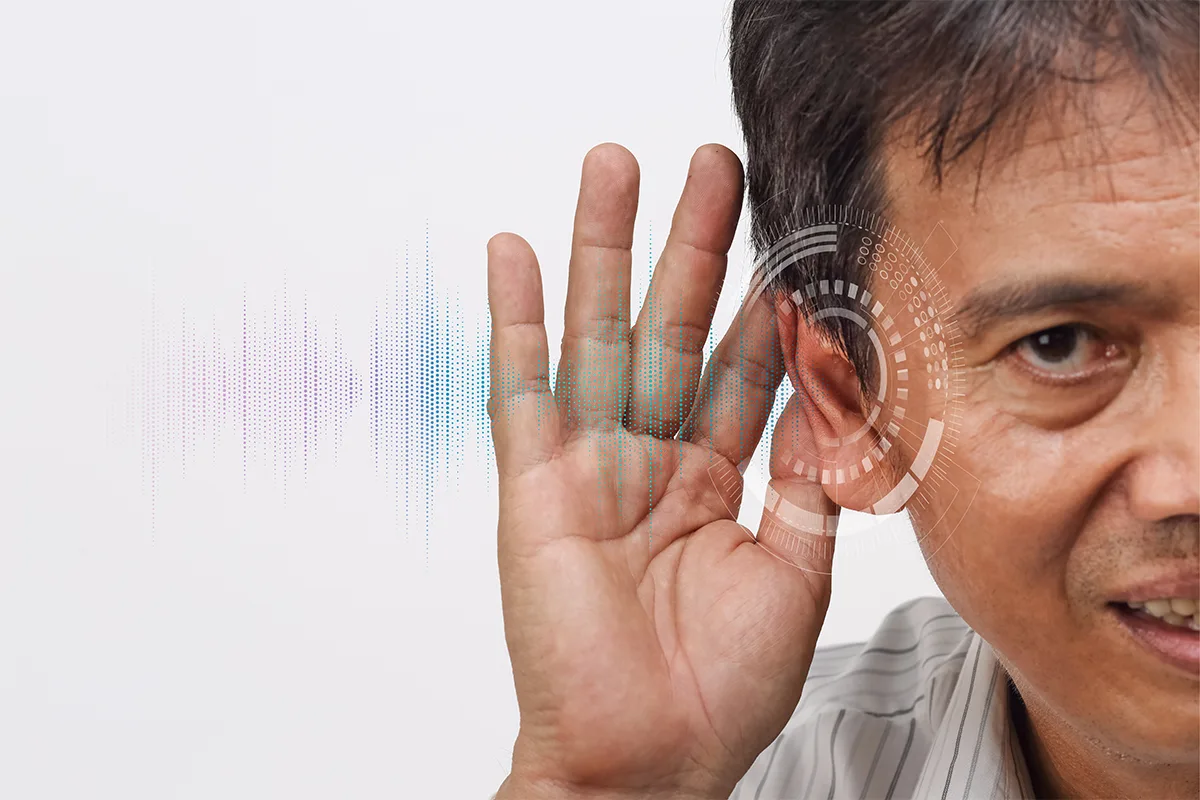
Having trouble identifying where a ringing phone is coming from, difficulty in accurately perceiving approaching traffic, or finding it harder to judge how far away someone is speaking?
This can be linked to a deficit or loss of spatial hearing. It may be caused by several factors, including asymmetric hearing between the ears, chronic ear infections, neurological influences, and age-related changes.
When the ears do not receive sound evenly, or when the brain has difficulty interpreting subtle differences in timing and intensity between them, the ability to localize sound is significantly compromised.
What Does Spatial Hearing Mean?
Spatial hearing means the brain’s ability to use cues from both ears to figure out where sounds are coming from. By processing minute disparities in the arrival time and intensity of sound between the two ears, the brain constructs a three-dimensional auditory map.
This process of binaural hearing enables the isolation of a specific voice in a complex acoustic environment and the maintenance of situational awareness of warning signals and environmental hazards.
The Effects of Hearing Loss on Spatial Awareness
Because spatial awareness relies on balanced hearing in both ears, any degree of hearing loss can affect how sounds are perceived and localized. In Singapore, this concern has become increasingly noticeable in recent years. According to national health survey data, self-reported hearing loss among adults aged 18 to 74 rose from 1.3% in 2013 to 9.2% in 2023, with a marked increase among those aged 60 and above.
As hearing loss becomes more prevalent, many individuals experience everyday challenges that affect how they interpret and respond to sounds in their environment, including:
- Difficulty Locating Sounds: Even when sounds are audible, it may be challenging to determine where they are coming from, affecting spatial orientation.
- Challenges in Noisy Environments: In busy settings, separating speech from background noise becomes more difficult, impacting effective communication.
- Trouble Distinguishing Overlapping Sounds: Individuals may struggle to distinguish among multiple sounds occurring simultaneously, which can lead to confusion and difficulty following conversations.
The Mechanics of Sound Localization
Sound localization is our ability to identify a sound's origin in three-dimensional space: azimuth (horizontal direction), elevation (vertical direction), and distance.
How It Works
The brain utilizes three primary cues to construct an accurate spatial map:
- Interaural Time Differences (ITD): Your brain detects microsecond delays between when sound reaches one ear before the other. This allows you to pinpoint a sound's horizontal origin with high precision, especially for low-frequency sounds.
- Interaural Level Differences (ILD): The head creates an "acoustic shadow" that attenuates the sound reaching the ear far from the source. When a sound source is to one side, the ear near the source hears a louder, clearer signal than the ear farther away, helping to localize sounds in the horizontal plane, particularly at higher frequencies.
- Spectral Cues: The shape of the outer ear filters sound, enhancing sounds from the front while blocking those from behind. This natural “acoustic fingerprint” helps the brain distinguish whether a sound is coming from above, below, or behind you.
- Binaural Processing: The brain combines data from both ears to form a cohesive, three-dimensional map of the environment, enabling you to accurately locate sounds.
Importance
The ability to localize sounds is crucial for several aspects of daily life, from safety to social interactions.
- Safety and Awareness: Sound localization helps individuals pinpoint the source of urgent sounds, such as a building fire alarm or someone shouting a warning, enabling quicker, more appropriate responses in daily situations.
- Navigation: It is essential for awareness in busy environments, such as traffic, where sirens or horns can signal danger.
- Action: It directs attention and movement toward salient sounds, such as a person's voice calling for help or the sound of an approaching vehicle.
- Communication Proficiency: It improves the ability to identify who is speaking and where their voice is coming from, making group conversations more effective and less mentally taxing.
Symptoms of Compromised Spatial Hearing
When spatial hearing is compromised, everyday tasks that require pinpointing the direction of sounds can become overwhelming.
- Difficulty Locating Ringing Phones and Alarms: It is harder to pinpoint the source of sounds from electronic devices such as phones, alarms, or timers.
- Inability to Determine Traffic Direction: Recognizing the direction of traffic or approaching vehicles is challenging, increasing safety risks.
- Trouble Following Conversations: In noisy environments, such as restaurants or parties, distinguishing voices and following conversations can be difficult.
- Relying Heavily on Visual Cues: People may need to rely on lip reading or facial expressions to understand others in conversation, rather than on auditory cues.
- Balance and Stability Issues: Difficulty localizing sounds due to hearing loss may also affect balance, as the brain relies on auditory cues for spatial orientation.
Causes of Loss of Spatial Hearing
Hearing loss due to issues with spatial hearing can arise from various underlying causes:
- Unilateral Hearing Loss: When one ear hears better than the other, the brain cannot accurately compare differences in timing and loudness between the two ears. Without being able to determine which ear hears a sound first or more clearly, it becomes difficult to determine the direction and distance of a sound.
- Auditory Processing Disorder (APD): In APD, the brain struggles to decode spatial information, particularly in complex sound environments, leading to confusion and difficulty with localization.
- Neurological Trauma: Conditions such as stroke or traumatic brain injury can disrupt the auditory cortex, which processes spatial cues, thereby impairing the brain's ability to localize sounds.
- Natural Age-Related Decline: As you age, both the sensitivity of the inner ear and the brain’s ability to interpret directional sound cues can diminish, which can affect spatial awareness, contributing to hearing loss.
- Physical Blockages or Infections: Temporary issues such as ear blockages or middle ear infections can create an "acoustic imbalance" between the ears, distorting the perception of sound location.
- Medications: Certain medications may affect inner-ear function, impairing the auditory system's ability to process sound.
How to Manage Spatial Hearing Difficulties Caused by Hearing Loss?
If you're experiencing loss of spatial hearing, several approaches can enhance your ability to understand and respond to sounds around you.
- Hearing Aids: Hearing aids can help improve loss of spatial hearing by enhancing sound localization and clarity. At 20dB Hearing, we assist individuals in finding the appropriate hearing aid to suit their needs, offering a range of options from brands like Phonak and Unitron.
- Auditory Training: Focused exercises may help improve sound localization skills and enhance the brain's ability to interpret spatial cues.
- Environmental Adjustments: Minimizing background noise and optimizing lighting can make it easier to navigate social settings and improve communication.
- Communication Strategies: Learning how to use visual cues and positioning yourself strategically in conversations can help improve communication.
Assess Your Spatial Hearing Needs at 20dB Hearing

If you feel "unsteady" or "confused" by sound, or experience any of the symptoms of spatial hearing difficulties mentioned earlier, you can consult an audiologist at 20dB Hearing.
Our audiologists conduct comprehensive hearing tests to determine the extent and cause of your hearing loss. Based on the results, they help you select the hearing aid, whether it’s a Phonak hearing aid or a Unitron hearing aid model, to meet your needs. Whether you require hearing aids for seniors or children, we cater to all age groups and hearing requirements.
Schedule your consultation today and take the first step toward improved spatial awareness.