

What Causes Echoing in the Ear?
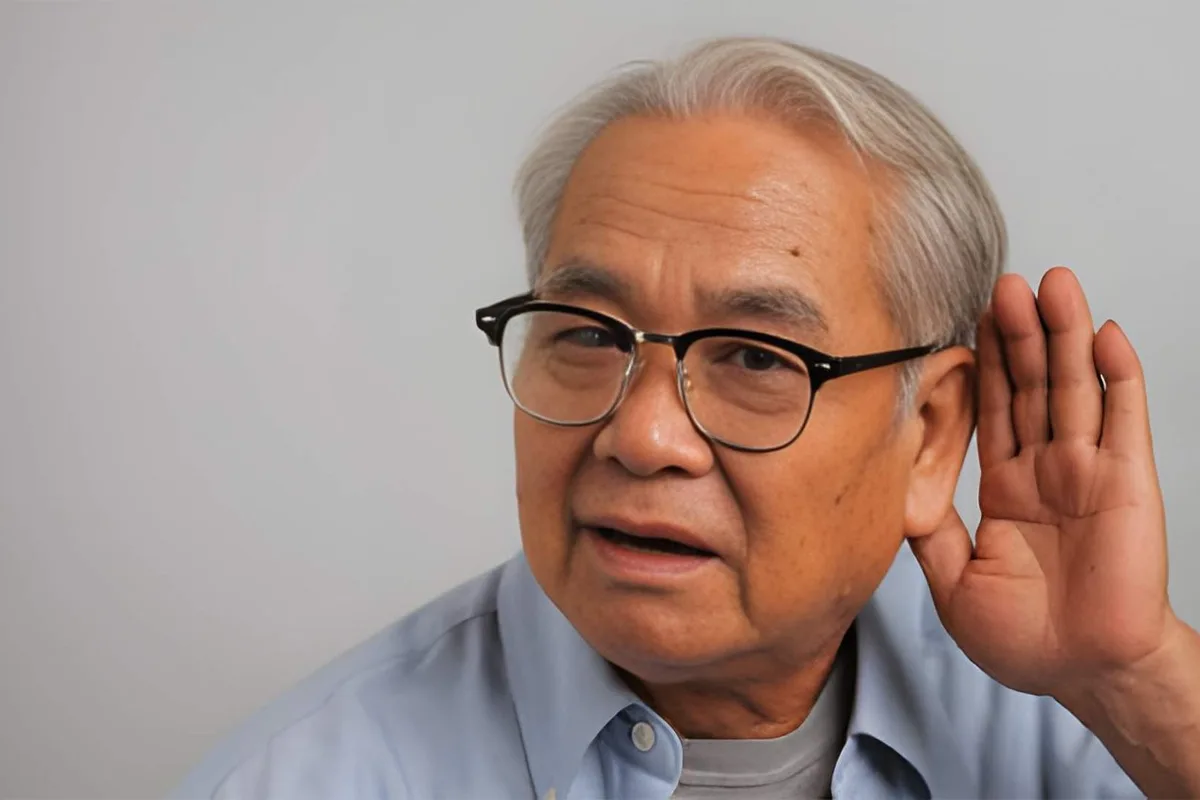
If you have ever heard your own voice when you speak or everyday sounds reverberating oddly inside your ear, you may be experiencing autophony, a phenomenon often described as an ear echo.
This unsettling sensation can arise from several physiological factors, including Eustachian tube dysfunction, excessive earwax buildup, middle ear infections, or occlusion effect caused by earplugs or hearing aids.
Although the experience varies from person to person, identifying the root cause of the ear echo is key to determining the appropriate treatment to improve hearing health.
What is Echo in the Ear?
An ear echo occurs when sound waves do not travel through the auditory system as intended. Instead of passing through the ear canal and being processed normally, sound may be trapped or reflected abnormally within the ear canal or middle ear.
The result is a sensation that many describe as a "full," "plugged," or "boomy" feeling, in which voices and sounds seem to reverberate from within the head rather than from the outside world. It is a sign that the ear's usual sound processing has been disrupted.
Common Causes of Echoing in the Ear
Echoing in the ear can arise from a variety of factors, often related to how sound travels through the ear or how the brain processes it.
- Earwax Build-up: Excess earwax can block the ear canal, creating a hollow or booming sound. While earwax protects the ear, accumulation can interfere with normal hearing.
- Ear Infections: Infections in the outer or middle ear may trap sound waves, causing echoes and discomfort, as well as fluid accumulation.
- Diplacusis: A condition where sounds are perceived at slightly different pitches in each ear, causing double hearing or echoed voices and noises.
- Sinus Issues: Inflammation or fluid in the sinus cavities can affect the ear, causing a temporary echo.
Medical Conditions Leading to Hearing Echo in the Ear
Certain medical conditions can affect sound processing, which may make voices or everyday sounds seem echoed.
- Otitis Media: This occurs when fluid collects in the middle ear space behind the eardrum. The presence of fluid can reduce the eardrum's ability to move freely when sound enters the ear. As a result, sound transmission may feel less clear, and some individuals notice muffled hearing or an echo-like effect when listening to voices or everyday sounds.
- Meniere’s Disease: This inner ear concern is linked to changes in fluid balance within the ear. These fluctuations can affect how sound signals are processed, sometimes leading to echoing sensations.
- Tinnitus: Some forms of tinnitus involve the perception of sound without an external source. In these cases, the brain may react to internal signals in a way that feels like a reactive echo to surrounding sounds.
- Presbycusis: Age-related hearing loss can sometimes lead to echoing sounds and may also occur alongside tinnitus. It develops gradually as natural ageing affects the cochlea and other inner ear structures.
Environmental Factors and Lifestyle Habits That Can Cause Echo
Certain environmental exposures and everyday listening habits can also influence how sound travels through the ear, creating echo-like sensations.
- Noise Exposure: Frequent exposure to loud environments, such as heavy traffic, construction, or high-volume music, can affect hearing sensitivity. This may lead to a shift in how sounds are perceived, sometimes causing ringing or an echo-like effect.
- Earbuds: Deeply inserted earbuds can trap sound vibrations within the ear canal. This “occlusion effect” may amplify internal sounds, making voices or footsteps seem louder, hollow, or echoing.
- Barotrauma: Rapid changes in air or water pressure, such as during flights or diving, can affect the balance of pressure in the ear. This temporary shift may create a sensation of fullness or cause sounds to seem muffled or echoed.
How to Determine the Causes of Ear Echoing?
Understanding the cause of ear echoing usually requires a combination of physical examinations, hearing assessments, and, sometimes, imaging.
- Otoscopy: Using an otoscope, a professional can inspect the ear canal and eardrum for wax buildup, fluid, or signs of infection, which may contribute to echoing.
- Audiogram: A hearing assessment evaluates how well the ear perceives different pitches and volumes. This helps distinguish whether the echo arises from sensorineural or conductive hearing issues.
- Imaging Tests: In some cases, specialists may recommend scans such as CT or MRI to rule out structural concerns or nerve-related causes.
Strategies to Manage Auditory Echoes
Managing ear echoes often involves practical steps and professional support to improve listening comfort and hearing clarity.
- Cerumen Management: Professional removal of earwax can improve sound conduction and reduce echo in the ear. Unlike home remedies or DIY kits, having a specialist get rid of stubborn wax minimizes the risk of injury and ensures the ear is thoroughly cleared.
- Amplification & Sound Masking: Hearing aids, such as those from Phonak and Unitron, can help address underlying hearing loss while offering sound-masking features that reduce the perception of echoes or tinnitus.
- Medical Interventions: For infection-driven echoes, a healthcare provider can assess the situation and recommend appropriate medications to reduce inflammation and clear the infection.
Identifying When Your Symptoms Require Professional Care
While occasional echoing may pass quickly, certain warning signs suggest it may be time to seek professional attention.
- Sudden Hearing Changes: A rapid drop in hearing clarity or noticeable hearing loss, along with echoing, should be evaluated promptly.
- Pain or Ear Discomfort: Persistent pain, pressure, or unusual sensations in the ear may indicate an underlying issue.
- Discharge from the Ear: Fluid or discharge coming from the ear canal can signal irritation or infection that requires attention.
- Dizziness or Vertigo: Spinning sensations, imbalance, or dizziness combined with echoing may point to inner ear involvement.
- Persistent or One-Sided Echo: If the echo continues for more than a few days or occurs only in one ear, professional guidance is advisable.
Get Professional Guidance for Your Auditory Wellness at 20dB Hearing
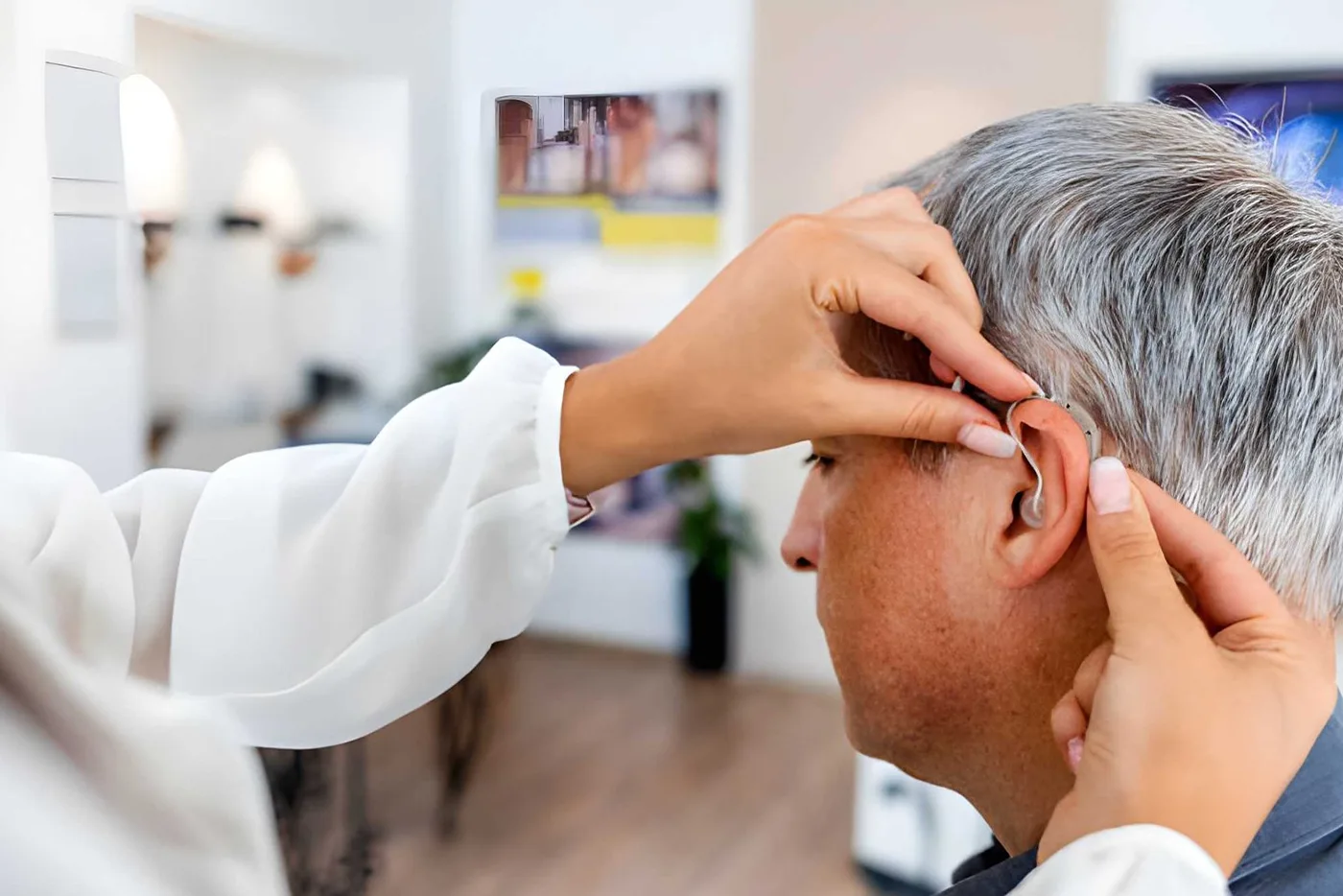
If you are experiencing echoes or changes in how voices and everyday sounds reach your ears, it may be time to talk with a hearing professional.
At 20dB Hearing, experienced audiologists conduct comprehensive evaluations, including an audiometry test, to understand your hearing profile and identify possible causes of these sensations. Based on the assessment results, we recommend hearing support options, such as hearing aids or cochlear implants, to improve listening clarity and daily communication.
Whether you need hearing support for children or hearing devices for the elderly, we provide personalized care designed to support individuals at every stage of life.
Book a hearing assessment with us today and address your auditory concerns.