


Cochlear Implant vs Hearing Aid: Which Do You Actually Need?
Your hearing aids used to work fine. You'd pop them in, crank the volume, and the world came back to life. But lately, something's changed. Words sound muddy. You keep asking people to repeat themselves. The TV volume creeps higher every week.
Sound familiar?
This is the moment many people start wondering: is it time for a cochlear implant?
Let's break it all down: what each device does, who it's for, and how to figure out which path is right for you.
One amplifies, the other bypasses
Here's the simplest way to understand the difference.
A hearing aid is a microphone and speaker system. It picks up sound, makes it louder, and pushes it through your ear canal. Your inner ear (specifically, the tiny hair cells in your cochlea) still does the heavy lifting of turning sound waves into electrical signals for your brain.
A cochlear implant skips all of that.
It converts sound directly into electrical signals and sends them straight to your auditory nerve. The cochlea (with all its damaged hair cells) gets bypassed entirely. The implant does the job those hair cells can no longer do.
Think of it this way:
-
Hearing aid: Turns up the volume on a scratchy speaker
-
Cochlear implant: Replaces the scratchy speaker with a new one
This is why hearing aids work brilliantly for mild to moderate hearing loss. There are still enough working hair cells to receive the amplified sound. But when those cells are too damaged (in cases of severe to profound sensorineural hearing loss) no amount of volume helps. That's where cochlear implants come in.
According to the National Institute on Deafness and Other Communication Disorders, cochlear implants are designed for people who receive little or no benefit from hearing aids. As of recent data, over one million people worldwide use them.
When hearing aids stop being enough
This is the tricky part. The shift from "hearing aids are fine" to "hearing aids aren't cutting it anymore" is gradual. It sneaks up on you.
Here are some signs that hearing aids may no longer be sufficient:
-
You understand less than 50% of sentences in speech recognition tests, even with properly fitted hearing aids
-
You rely heavily on lip reading or visual cues
-
Phone conversations have become nearly impossible
-
Group settings feel like everyone is speaking underwater
-
You've had your hearing aids adjusted multiple times with diminishing returns
The clinical threshold is important here. Audiologists typically consider cochlear implant candidacy when a patient scores below 50% on sentence recognition tests in the best-aided condition. Some centers use 60% as the cutoff for evaluation referrals.
But numbers alone don't tell the whole story. Your daily experience matters too. If your hearing aids are maxed out and life still sounds muffled, that's a conversation worth having with a certified audiologist.
Here's how the two compare:
|
Feature |
Hearing Aid |
Cochlear Implant |
|
How it works |
Amplifies sound through ear canal |
Converts sound to electrical signals sent to auditory nerve |
|
Best for |
Mild to moderate sensorineural or conductive loss |
Severe to profound sensorineural loss |
|
Surgery required? |
No |
Yes |
|
Approximate cost in Malaysia |
RM 9,000 – RM 42,000 per pair |
RM 80,000 – RM 150,000+ |
|
Adjustment period |
Days to weeks |
Months of auditory rehabilitation |
The costs listed are approximate ranges. Actual prices vary depending on the hospital, surgeon, device brand, and whether any government subsidies apply.
How the decision actually gets made
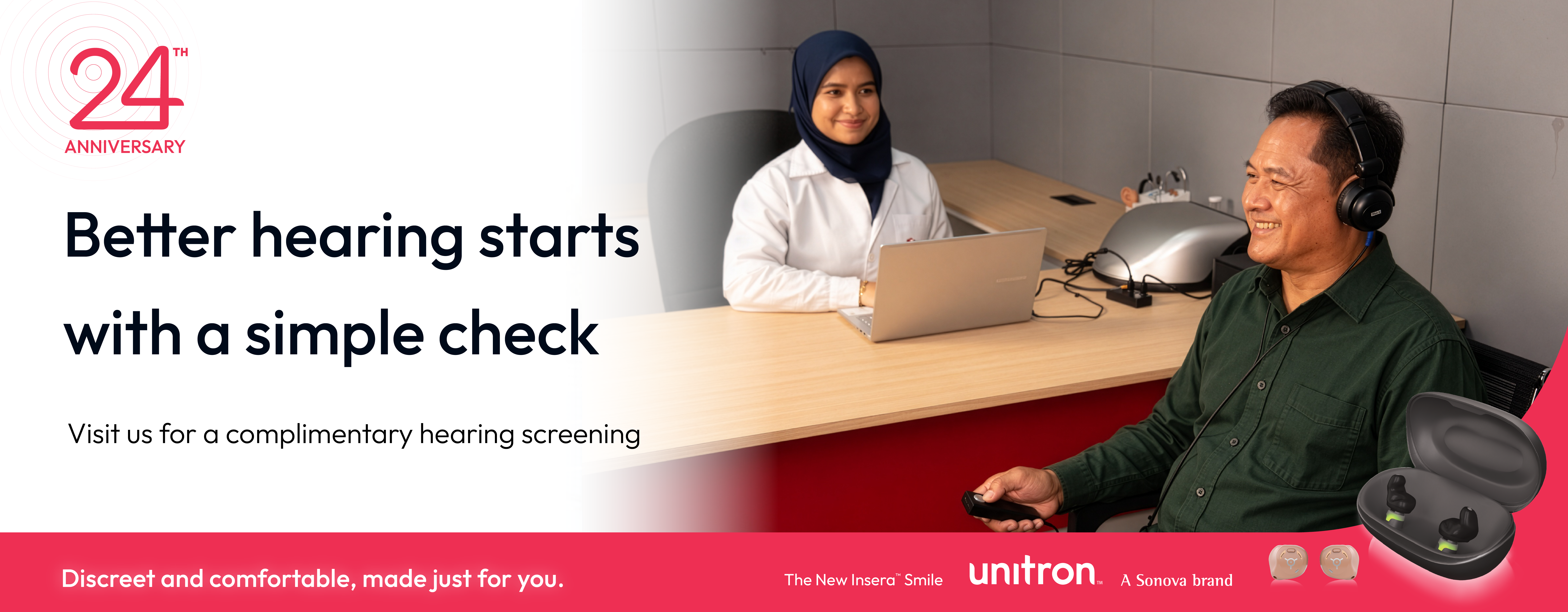
You don't just walk into a clinic and choose a device off the shelf. The process starts with a proper diagnostic hearing assessment.
Here's the typical path:
Step 1: Comprehensive audiometry. A certified audiologist conducts a battery of tests: pure tone audiometry, speech recognition testing, tympanometry, and more. This tells you exactly what type of hearing loss you have, how severe it is, and which frequencies are affected.
Step 2: Hearing aid trial. If you haven't tried hearing aids yet (or your current ones are outdated), most audiologists will recommend a properly fitted trial first. Modern digital hearing aids are remarkably powerful, and sometimes better fitting is all you need.
Step 3: Candidacy evaluation. If hearing aids aren't providing adequate benefit, you'll be referred for cochlear implant candidacy assessment. This involves additional speech perception testing, imaging scans (CT or MRI), and consultations with an ENT surgeon.
Step 4: Multidisciplinary review. The final recommendation comes from a team: audiologist, ENT surgeon, and sometimes a speech-language pathologist. They weigh your hearing test results, your lifestyle needs, your medical history, and your expectations.
No single professional makes this call alone. And that's a good thing.
Start with the right test
Here's what catches many people off guard. They spend months (sometimes years) struggling with hearing they know is getting worse, yet never get a proper diagnostic assessment done. They adjust their habits. They nod along in conversation. They withdraw from social situations quietly.
Don't be that person.
Whether you end up needing better hearing aids or a cochlear implant referral, everything starts with the same step: a thorough hearing evaluation by a certified audiologist who can map your hearing loss accurately and guide you toward the right solution.
If your hearing aids aren't working like they used to (or if you've been putting off getting your hearing checked), book a hearing test with a certified audiologist at 20dB Hearing. They'll give you the full picture of where your hearing stands and what your options genuinely are.
No guessing. No Googling symptoms at 2am. Just clear answers from someone qualified to give them.
References