


Hearing Tests for Oil & Gas Workers in Malaysia: What Your Hearing Means for Offshore Work
You already know the rigs are loud. A hearing problem can affect your offshore medical, especially if it raises concerns about your ability to hear alarms, instructions or communicate safely.
If you work offshore in Malaysia's oil and gas industry (whether it's on a production platform, an FPSO, or a contract drillship), your hearing isn't just a health matter. It's part of your fitness to work. If an examiner has concerns about your hearing at your offshore medical, you may not board the chopper until they are resolved.
So let's talk about how hearing is assessed offshore, what happens when a concern is raised, and what you can do before it becomes a problem.
The noise you're living with offshore
A typical offshore platform can generate noise levels of more than 90 dB during drilling operations. For context, that's somewhere between a lawnmower and a rock concert, except you can't leave the venue because you live there.
According to the National Institute for Occupational Safety and Health (NIOSH), sustained exposure above 85 dB can cause permanent damage over time. Not temporary ringing. Permanent loss.
And it's cumulative. Every 14/14 rotation, every hitch, every year adds up. The high-frequency hearing loss that noise-induced damage causes is sneaky. You don't notice it while it's happening. You notice it when:
-
You can't follow conversations in the galley anymore
-
The TV volume keeps creeping up at home
-
Your wife says you've been saying "what?" a lot
-
Your offshore medical raises a concern about your hearing
That last one tends to get people's attention.
How hearing is assessed in an offshore medical
Many offshore operators follow the OEUK (formerly OGUK) medical fitness standards for their workforce, and these guidelines are widely used as an international benchmark.
Under the current OEUK guidance (Issue 8), routine audiometry is no longer part of the standard offshore medical. Instead, the examining doctor checks that you can hear speech and alarms well enough to follow instructions, and an audiogram is arranged only if there is a specific reason to suspect a hearing problem.
Keep in mind that each company may have different regulations, so the requirements described here may not match yours. Always confirm with your employer or their approved medical provider.
An offshore medical generally ends in one of three outcomes:
-
Fit: You meet all criteria. Off you go.
-
Fit with restrictions: You pass, but with noted limitations. This may require follow-up or hearing protection upgrades.
-
Temporarily or permanently unfit: You don't meet the fitness criteria. Your certificate is either withheld or revoked until further assessment.
Malaysian regulations under DOSH (Department of Occupational Safety and Health) also require employers to conduct audiometric monitoring under the Occupational Safety and Health Act 1994 and the Occupational Safety and Health (Noise Exposure) Regulations 2019, specifically for noise-exposed workers. So even beyond the offshore medical, your employer has a legal obligation to track your hearing over time.
What a hearing concern means for your career
Let's not sugarcoat it. If an examiner has concerns about your hearing, it can:
-
Delay your offshore rotation: No valid medical certificate, no boarding pass
-
Trigger a fitness review. You may need specialist referral and further testing before being reconsidered
-
Limit your roles: Some positions require communication in high-noise environments; hearing restrictions can disqualify you
-
Affect your income immediately: If you're on a rotation-based contract, no rotation means no pay
But here's what most people get wrong: a hearing concern doesn't always mean you're finished. It means you need a proper audiological assessment, not just a quick check at the medical centre.
A quick check might flag a problem. But a diagnostic hearing test by a certified audiologist can determine exactly what's going on. Is it noise-induced? Is it treatable? Is it a temporary threshold shift from recent exposure? These distinctions matter when you're discussing a fitness decision or preparing a recheck.
Protecting what you have left
If your hearing is still in good shape, your priority should be keeping it there. Here's what actually works:
-
Wear your PPE properly: Foam earplugs only work when they're inserted correctly. Most people don't insert them deep enough. Combine with earmuffs in high-noise areas.
-
Respect quiet time: Your ears need recovery. Avoid loud music or headphones during your off-shift hours.
-
Get annual hearing tests: Don't wait for your offshore medical renewal. Catching a downward trend early gives you options.
-
Know your baseline: A proper audiological assessment creates a detailed record of your hearing at a specific point in time. This is your evidence if you ever need to make a noise-induced hearing loss claim.
The workers who get caught off guard are the ones who never check their hearing between offshore medicals. By then, significant damage may have already occurred without them realising.
Get tested before your offshore medical catches you off guard
Here's the smart play. Don't let offshore medical be the first time you discover a problem.
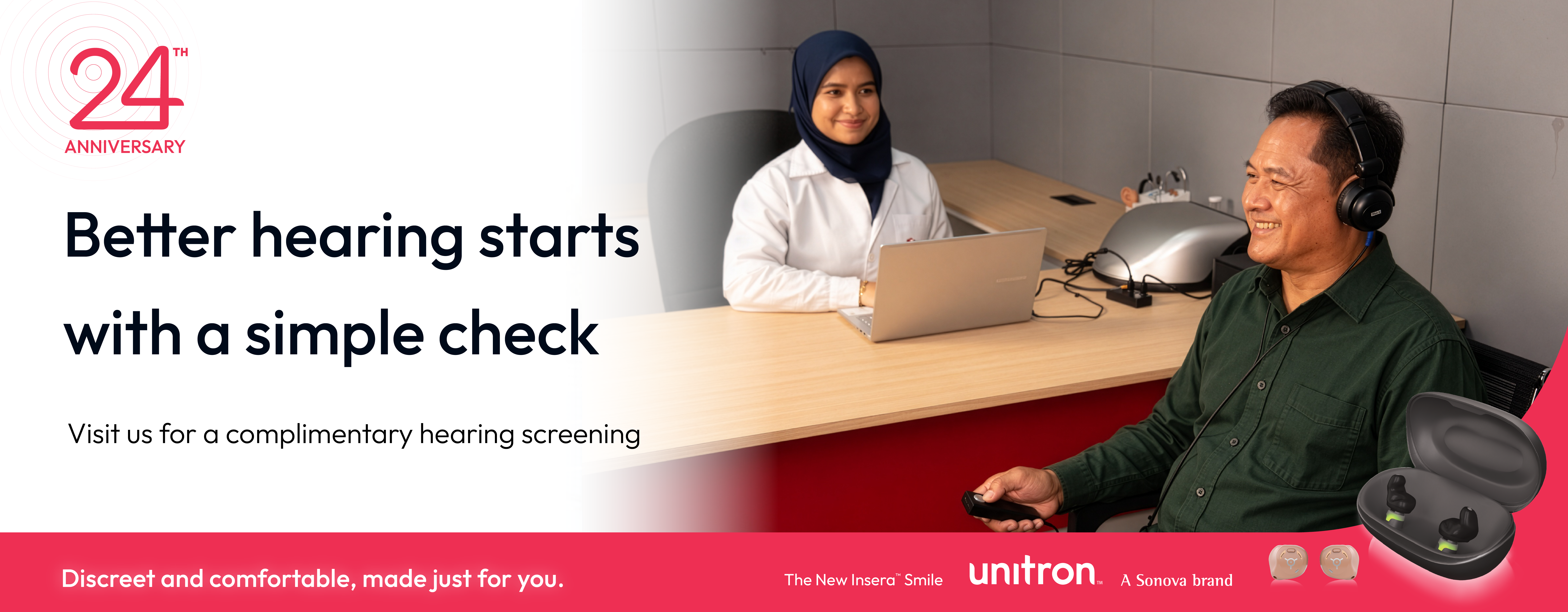
Get a comprehensive hearing test by a certified audiologist before your medical is due. At 20dB Hearing, our audiologists conduct full diagnostic assessments: the kind that goes well beyond a basic screening. We test across the full range of frequencies and give you a complete picture of where your hearing stands, including how well you hear speech.
If there's a problem, you'll know about it early. You'll have time to explore options: whether that's medical treatment, hearing protection strategies, or hearing aids that help you hear speech and alarms more clearly.
If everything looks good, you walk into your offshore medical with confidence.
Either way, you're in control.
Book a hearing assessment at 20dB Hearing today. Walk into your next offshore medical knowing exactly where you stand, not hoping for the best.