


Hearing Aid Prices in Malaysia: The Family Budget Guide
You wouldn't buy a car without knowing the price. So why does buying a hearing aid feel like guessing?
Walk into most hearing centres in Malaysia and ask "how much?" You'll get a smile, a brochure, and somehow leave more confused than when you walked in. Prices seem to range from "surprisingly affordable" to "did they just quote me a used Myvi?"
Let's fix that. This is the straight-talk guide to hearing aid costs in Malaysia: real ringgit ranges, what you're actually paying for, instalment options, and how to avoid spending money twice on a cheap pair that ends up in a drawer.
What hearing aids actually cost in Malaysia
Hearing aids in Malaysia fall into roughly five tiers. The price per ear varies based on technology level, features, and the brand behind them.
Here's a realistic breakdown:
|
Tier |
Price per ear (RM) |
Best for |
|
Lower Essential |
RM 4,500 – RM 5,500 |
Quiet environments, mostly home use |
|
Essential |
RM 5,500 – RM 7,000 |
Everyday listening with some background noise |
|
Standard |
RM 8,000 – RM 11,000 |
Social settings, mixed environments, Bluetooth streaming |
|
Advanced |
RM 13,000 – RM 16,000 |
Active lifestyles, noisier environments, rechargeable convenience |
|
Premium |
RM 18,000 – RM 21,000 |
Complex listening environments, top-tier speech clarity, tinnitus support |
A few things to keep in mind. Most people with hearing loss in both ears need two hearing aids. So double the per-ear price for your budget planning.
That said, basic doesn't mean bad. A well-fitted basic hearing aid can outperform a poorly-fitted premium one every single day. The fitting matters as much as the device, sometimes more.
The price range is wide because hearing aids aren't a single product. They're more like smartphones. A budget phone still makes calls. A flagship phone does a hundred other things. Your job is figuring out which features you actually need, not which ones look impressive on a spec sheet.
What's included in the price (and what isn't)
This is where most people get tripped up. A hearing aid isn't just a piece of hardware. When you buy from a reputable audiologist, the price typically bundles in professional services that are essential to getting the thing to actually work for you.
Usually included:
-
A full diagnostic hearing assessment
-
Custom fitting and programming by a certified audiologist
-
Follow-up adjustment sessions (often over 1–2 years)
-
Manufacturer warranty (typically 2–3 years)
-
Cleaning, basic maintenance, and troubleshooting visits
Usually not included:
-
Batteries or charging accessories (depends on the centre)
-
Out-of-warranty repairs
-
Replacement if lost or damaged beyond repair
Think of it like this. You're not just buying a device. You're buying a relationship with an audiologist who will fine-tune your hearing aids over months until they sound right in your life: in your office, your kopitiam, your family WhatsApp video calls.
According to the World Health Organization's guidelines on hearing aids, proper fitting and follow-up care are critical to successful hearing aid use. Without them, even expensive devices often end up unused.
So when you compare prices, make sure you're comparing the full package. A suspiciously cheap price might mean you're paying for the hardware alone, and then scrambling to find someone to program it properly.
Installment plans that actually help
Let's be honest. Even at the basic tier, hearing aids are a significant purchase for most Malaysian families. The good news? You don't have to pay everything upfront.
Many hearing centres in Malaysia now offer hearing aid installment plans, making it more manageable for families on a budget. Some options include:
-
0% installment plans through credit card partnerships (typically 6–12 months)
-
In-house payment plans offered directly by hearing centres
-
EPF Account 2 withdrawals: yes, you can use your KWSP savings for hearing aids, as the Employees Provident Fund allows withdrawals for medical devices under certain conditions
It's worth asking about all three when you visit. A RM 12,000 pair of hearing aids at 0% over 12 months works out to about RM 1,000 a month. Still not pocket change, but far less daunting than a lump sum.
And here's a reframe that might change how you think about the cost entirely.
A mid-range hearing aid at RM 6,000 per ear, lasting five years (which is the typical lifespan), costs roughly RM 3.29 per day per ear. That's less than your morning teh tarik and nasi lemak. For the ability to hear your grandchild's voice clearly? Most families call that a bargain.
The false economy of buying cheap
There's a tempting thought that goes like this: "I'll just get the cheapest one first. If it works, great. If not, I haven't lost much."
It sounds logical. It's also the most expensive mistake people make.
Here's what usually happens. Someone buys a very cheap hearing aid: maybe from an online marketplace or a shop with no audiologist on staff. It arrives. It amplifies everything equally: speech, traffic, the ceiling fan, the neighbor's renovation. It's uncomfortable. It sounds tinny. And amplification that isn't matched to your hearing loss can do real harm: exposing your ears to excessive, unmanaged sound levels can damage the hearing you have left. Within weeks, it goes into a drawer.
Now they've spent RM 800 and have nothing to show for it. Worse, they've convinced themselves that hearing aids "don't work" and delay getting proper help for another two or three years. During those years, research published by The Lancet Commission on dementia shows that untreated hearing loss accelerates cognitive decline and increases dementia risk.
The cheap device didn't save money. It cost them time, health, and eventually more ringgit when they finally buy a properly fitted pair anyway.
This doesn't mean you need the most expensive hearing aid available. It means you need the right hearing aid, fitted by someone qualified, with proper follow-up care. Sometimes that's a basic-tier device. Sometimes it's mid-range. But it's always one that's been programmed specifically for your hearing loss profile.
Get a transparent quote before you decide
If you've read this far, you're doing your homework. That's smart.
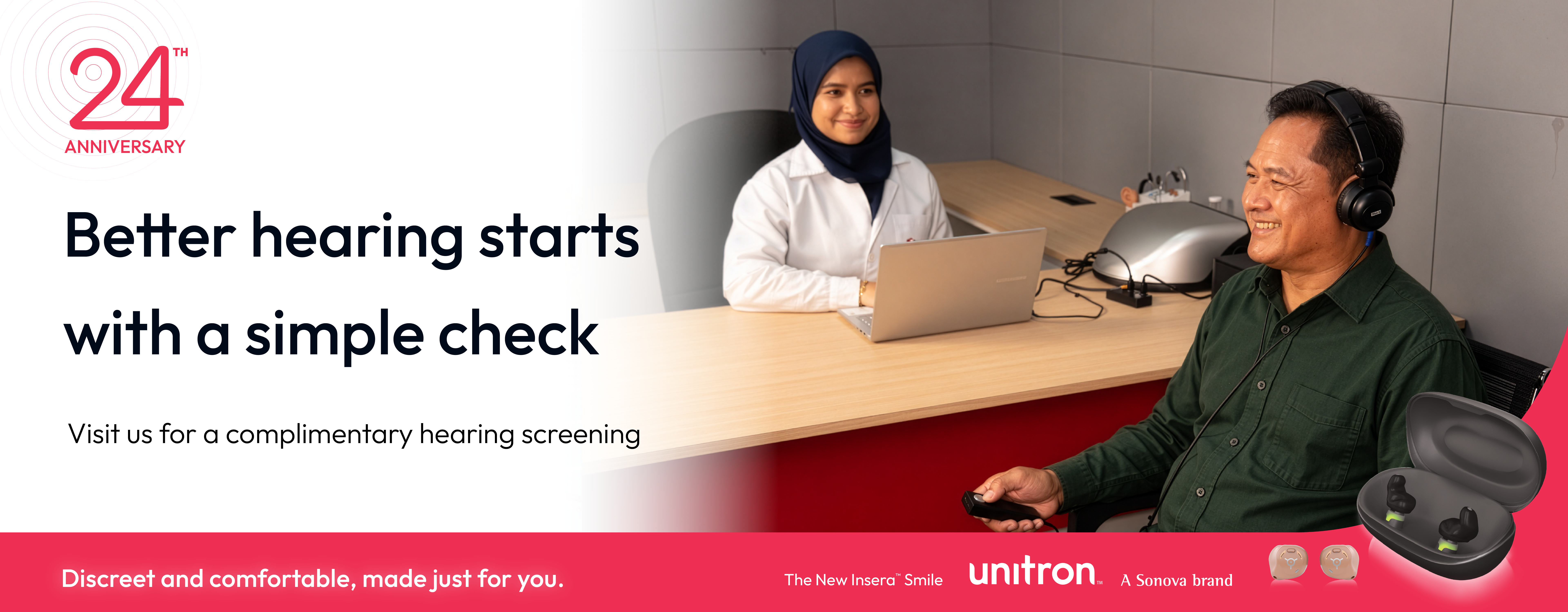
But online research can only take you so far. Hearing aid pricing depends on your specific hearing loss pattern, your lifestyle, your ear anatomy, and your budget. The only way to get a number that means something is to sit down with a certified audiologist who can assess your hearing first and then walk you through your options honestly.
At 20dB Hearing, every conversation starts with a proper hearing assessment, not a sales pitch. You'll get:
-
A full diagnostic test by a certified audiologist
-
A clear explanation of your results
-
Transparent pricing across different tiers and brands
-
Information on installment plans and payment options
-
Zero pressure to buy on the spot
You deserve to know exactly what you're paying for, and exactly what you're getting. No guessing. No surprises.
Book your hearing assessment today and get the honest pricing conversation you've been looking for. Because the most expensive hearing aid is the one that sits in a drawer.