

Tinnitus Treatment in Malaysia: What Actually Works
That ringing in your ears at 3 AM isn't a ghost. It's not your imagination either. And no, you're not losing your mind.
It's tinnitus. And roughly 740 million adults worldwide experience it, according to a systematic review published in JAMA Neurology, which found that about 14% of adults have some form of tinnitus. That's not a small club.
If you're reading this from Malaysia and you've been Googling "tinnitus treatment Malaysia" at ungodly hours, you're not alone. But here's the thing most websites won't tell you upfront; there is no cure for tinnitus. Not yet.
What there is, though, are treatments that genuinely work. Treatments are backed by evidence. Treatments that can take that screaming siren in your head and turn it into background noise you barely notice.
Let's separate facts from fiction.
What tinnitus actually is (and isn't)
Tinnitus isn't a disease. It's a symptom.
Think of it like a fever. A fever tells you something else is going on in your body. Tinnitus does the same thing for your auditory system. The ringing, buzzing, hissing, or whooshing you hear? That's your brain's way of saying something that needs attention.
Common causes include:
-
Noise-induced hearing loss: concerts, construction sites, earbuds cranked too loud
-
Age-related hearing loss: the hair cells in your inner ear wear down over time
-
Ear infections or blockages: sometimes it's as simple as impacted earwax
-
Medications: certain antibiotics, anti-inflammatories, and chemotherapy drugs are ototoxic
-
Stress and anxiety: they don't cause tinnitus directly, but they crank up the volume
Here's the part most people miss. According to the National Institute on Deafness and Other Communication Disorders, most people with tinnitus also have some degree of hearing loss. That connection matters. A lot. Because it changes how treatment works.
Before you chase solutions, you need a proper assessment to figure out what's driving your tinnitus. That's step one. Everything else comes after.
Evidence-based treatments that actually help
Not all tinnitus treatments are created equal. Some have decades of clinical evidence. Others have slick marketing and nothing else. Here's what falls into the "actually works" category.
Sound therapy for tinnitus
Your brain latches onto tinnitus because it's looking for sound. Especially in quiet environments. Sound therapy gives it something else to focus on.
This can be as simple as playing white noise, nature sounds, or specially designed tonal tracks through speakers or earbuds. The goal isn't to drown out the tinnitus. It's to reduce the contrast between the tinnitus and your sound environment, so your brain stops treating the ringing as a threat.
Tinnitus UK, formerly the British Tinnitus Association, notes that sound therapy plays a smaller part than counselling, so it works best as one tool among several. It won't fix things instantly, but it's one of the most accessible starting points, and it's available right here in Malaysia through qualified audiologists.
Tinnitus retraining therapy (TRT)
TRT takes sound therapy and adds structured counselling on top. Developed by Dr. Pawel Jastreboff, it's built on the neurophysiological model of tinnitus: the idea that your brain can be retrained to reclassify tinnitus as a neutral, unimportant signal.
There are two components:
|
Component |
What it does |
|
Directive counselling |
Educates you on the mechanisms of tinnitus so your emotional response decreases |
|
Sound generators |
Provide low-level background sound to reduce tinnitus perception over time |
TRT isn't a weekend fix. It typically takes 12 to 24 months. But research published in the Journal of the American Academy of Audiology shows significant improvement in patients who commit to the process.
Tinnitus masking hearing aids
Remember that most people with tinnitus have some degree of hearing loss? This is where it becomes critical.
Modern hearing aids do double duty. They amplify the sounds you've been missing and include built-in tinnitus masking features. By restoring the sounds your brain has been starved of, hearing aids reduce the brain's need to "fill the gap" with phantom sounds.
Many major brands, including Phonak and Unitron, now offer hearing aids with integrated sound therapy programmes. The tinnitus masker hearing aid price in Malaysia varies depending on the technology level and brand, but you're generally looking at a range that starts from a few thousand ringgit per pair and goes up from there.
The right device depends entirely on your audiogram, your tinnitus profile, and your lifestyle. That's not something you can figure out from a website. You need proper fitting from someone who knows what they're doing.
Cognitive behavioural therapy (CBT)
CBT doesn't change the sound. It changes your relationship with the sound.
A Cochrane systematic review of 28 randomised trials found that CBT may reduce the negative impact of tinnitus on quality of life and may slightly reduce depression, although the certainty of the evidence is low to moderate.
CBT helps you identify the thought patterns that make tinnitus feel unbearable (catastrophising, hypervigilance, avoidance) and replace them with healthier responses. It won't silence the ringing. But it can make the ringing stop running your life.
What doesn't work (despite what the internet says)
Let's be blunt. The internet is full of tinnitus "cures" that prey on desperate people. You deserve better than that.
Skip these:
-
Ear candles: they don't remove toxins, they don't treat tinnitus, and they can burn you
-
Miracle supplements: none have been proven effective for tinnitus relief
-
Detox programmes: tinnitus is not caused by "toxins in your body"
-
YouTube frequency videos claiming to "cure" tinnitus in 5 minutes: if it sounds too good to be true, it is
The National Institute on Deafness and Other Communication Disorders is clear: no medications are specifically approved for tinnitus, and none of the vitamins, herbal extracts or supplements advertised as cures have been proven effective. Anyone telling you otherwise is selling something.
That doesn't mean there's no hope. It means the real solutions require professional guidance, not a shopping cart checkout.
What a tinnitus assessment at 20dB Hearing looks like
So, you've decided to do something about it. Good. Here's what to expect when you walk into 20dB Hearing for a tinnitus assessment.
It starts with a conversation. Your audiologist will ask about your tinnitus history: when it starts, what it sounds like, what makes it worse, how it affects your daily life. No detail is too small.
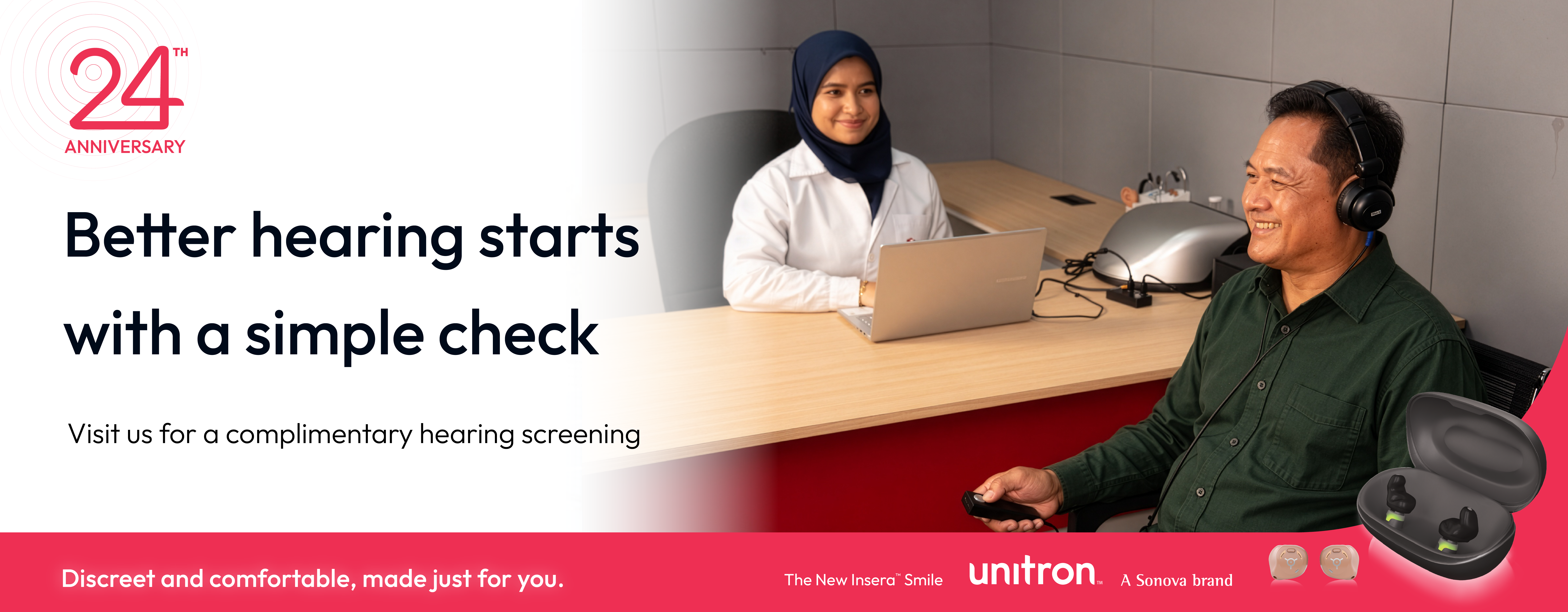
Then comes a comprehensive hearing test. Since tinnitus and hearing loss are so closely linked, a full audiometric evaluation is essential. This identifies any underlying hearing loss that might be fueling your tinnitus.
Next, tinnitus-specific testing. This includes pitch matching (identifying the frequency of your tinnitus) and loudness matching (measuring its perceived volume). These measurements help your audiologist design a targeted management plan.
Finally, you get a personalised plan. Based on your results, your audiologist might recommend sound therapy, tinnitus masking hearing aids, a TRT programme, or a referral for CBT, or a combination. There's no one-size-fits-all protocol because no two cases of tinnitus are the same.
The whole process is thorough, unhurried, and designed around you. Not a sales pitch.
Take the first step before the next sleepless night
Tinnitus has a way of making you feel stuck. Like nothing will help. Like you just have to live with it.
You don't.
The treatments above won't erase the sound overnight. But they can fundamentally change how much power that sound has over your life. And it all starts with understanding what is causing you.
If you're in Malaysia and ready to stop guessing, book a tinnitus assessment with 20dB Hearing's certified audiologists. Get the answers first. Then build a plan that actually works.
Your ears have been trying to tell you something. It's time to listen.