



How Do Audiometry Tests in Malaysia Differ from Those in Other Countries?
Introduction: Is Your Hearing Test Global, or Local?
If you've ever needed a hearing test centre, you might assume the procedure is the same whether you're in Kuala Lumpur, London, or New York. After all, hearing science is universal, right? Although the fundamental principles of pure-tone audiometry are universal, the particular requirements and regulations of audiometry tests in Malaysia have their own peculiarities that distinguish them among other countries. Such variations are usually due to the fact that Malaysia has a high focus on occupational health.
For instance, the local framework dictates stringent rules for industrial screenings—a key difference that influences how your audiologist, even at a standard hearing test clinic, approaches the assessment. Understanding these local nuances is vital, whether you are an employer ensuring compliance or an individual seeking the most accurate diagnostic result. This article will break down the essential ways Malaysia’s audiometric standards differ and why that translates into better, more specific care for you.
The Universal Foundation: International Standards
At its heart, audiometry in Malaysia adheres to the same stringent international benchmarks as its global counterparts.
The foundational test, Pure-Tone Air and Bone Conduction Audiometry (PTA), follows global standards such as ISO 8253. This ensures that the equipment calibration, the acoustic environment (soundproof booth), and the testing procedures used to determine your hearing thresholds are consistent worldwide. The common frequency range tested typically spans from 125 Hz up to 8000 Hz.
All professional hearing clinics in Malaysia, including 20dB Hearing, begin the assessment process universally:
Case History and Consultation: Discussing lifestyle, medical history, and specific hearing concerns.
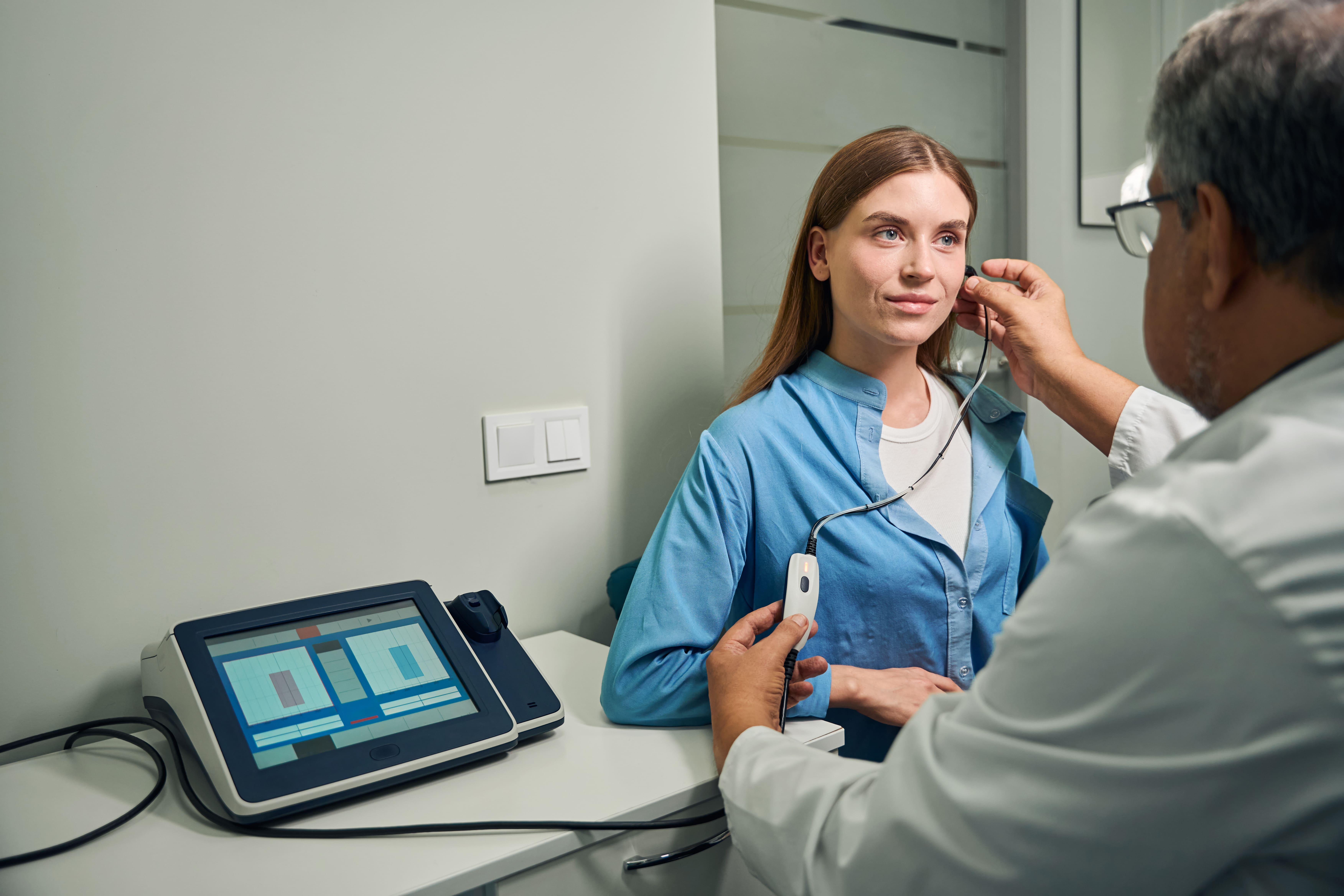
Otoscopy: A physical examination of the outer ear and eardrum, often using digital otoscopy, to rule out blockages like wax or visible infections.
Pure-Tone Audiometry (PTA): Measuring the softest sounds (thresholds) a person can hear at different frequencies, plotting the results on an audiogram.
However, beyond this universal structure, the requirements diverge significantly due to local legislation.
Malaysia’s Unique Regulatory Focus: DOSH
The main distinction between Malaysia and most other nations is the obligatory and well-organized system established by the Department of Occupational Safety and Health (DOSH).
The Mandate for Noise-Exposed Workers
Malaysia has one of the most specific and rigorous approaches to industrial hearing conservation. Under the Occupational Safety and Health (Noise Exposure) Regulations 2019, employers are legally required to provide annual audiometric testing for employees exposed to noise levels exceeding the noise exposure limit (NEL).
This is a sharp contrast to other countries where such screening is voluntary or not strictly enforced. The Malaysian laws provide that the workers who are at the highest risk of Noise-Induced Hearing Loss (NIHL) are subjected to frequent surveillance.
14-Hour Quiet Period: A Malaysian Necessity
Perhaps the most unique and mandatory requirement in Malaysian occupational audiometry is the 14-hour quiet period before the test.
The Requirement: An employee must be free from excessive noise exposure (sound levels exceeding 80 dB(A)) for at least 14 hours immediately preceding the test, without wearing a personal hearing protector (PHP) as a substitute for quiet.
The Rationale: This crucial requirement is designed to ensure the audiogram reflects the individual's baseline hearing or permanent hearing loss, rather than a temporary threshold shift (TTS) caused by recent loud noise exposure. This mandate is far less common in other major countries where adherence to a quiet period is often based on guidance rather than strict regulation.
The Rise of Mobile Audiometry
To accommodate the mandatory testing of large industrial workforces while ensuring the 14-hour quiet period is maintained, Malaysia has pioneered a widespread network of DOSH-certified Mobile Audiometric Test Centres.
These mobile units—soundproof rooms built into custom vehicles—allow qualified audiometric technicians and Occupational Health Doctors (OHDs) to conduct testing on-site at industrial and manufacturing facilities nationwide. While some other countries use mobile units, the sheer volume and regulatory necessity of their use in Malaysia make this a distinguishing feature.
Comparing Frequencies and Oversight
| Aspect | Malaysia (DOSH) | International Standards (e.g., USA, EU) | Key Difference |
|---|---|---|---|
| Occupational Test Frequencies | Mandatory annual air conduction at 500 Hz, 1000 Hz, 2000 Hz, 3000 Hz, 4000 Hz, 6000 Hz, and 8000 Hz. | Generally 500 Hz to 8000 Hz, often based on standard PTA frequencies. | Specific mandatory annual frequencies for occupational screening. |
| Mandatory Pre-Test Quiet | 14 hours without noise exposure (>80 dB(A)) is legally required. | Not universally mandated or strictly defined by law; often guidance-based. | Malaysia’s strict 14-hour rule. |
| Interpretation & Reporting | Mandatory interpretation by a DOSH-certified Occupational Health Doctor (OHD). Detailed reports submitted annually to DOSH. | Interpretation typically by an Audiologist or physician; reporting is often internal to the company or patient. | Mandatory OHD sign-off and government reporting. |
| Mobile Testing | Widespread use of DOSH-certified mobile units to ensure compliance. | Less common; focus often remains on fixed clinic settings. | Widespread, regulatory-driven mobile testing. |
Clinical Best Practices: Where Procedures Align
While occupational testing is heavily regulated, standard clinical testing for the public, which you would receive at 20dB Hearing for a general hearing test, aligns closely with international best practices.
Comprehensive Test Battery: Malaysian audiology clinics routinely employ advanced testing beyond PTA, including:
Speech Audiometry: Using validated phonemically balanced Malay word lists (a crucial cultural adaptation that ensures accuracy for the local population) to assess speech understanding.
Immittance Testing (Tympanometry): To evaluate middle ear function, which is standard globally.
Objective Tests (ABR/OAE): Auditory Brainstem Response and Otoacoustic Emissions for pediatric cases or to assess complex hearing issues, matching advanced clinics worldwide.
The differences, therefore, are less about the quality of the clinical procedures and more about the strict legal framework that dictates when and how tests must be conducted for noise-exposed employees.
Why Understanding These Differences Matters
For individuals and employers in Malaysia, understanding these specific requirements is key to ensuring both compliance and effective hearing conservation.
For Employers: Adhering to the 14-hour quiet rule and using a DOSH-approved centre is non-negotiable for compliance. Failure to do so can invalidate the audiometric results and lead to regulatory issues.
For Employees: Knowing your rights means ensuring you receive the mandatory annual screening and the pre-test quiet period necessary for the most accurate assessment of your hearing health.
For General Patients: The high regulatory standards for occupational testing ultimately elevate the entire standard of care. Clinics that meet DOSH’s stringent requirements for equipment calibration and soundproof testing environments often apply this same precision to every audiometry test in Malaysia they perform.
In conclusion, while the core audiological principles are universal, Malaysia’s commitment to occupational safety, spearheaded by DOSH, has resulted in unique and highly structured testing mandates, particularly concerning the 14-hour quiet period and the reliance on mobile units, setting its practices apart on the global stage.